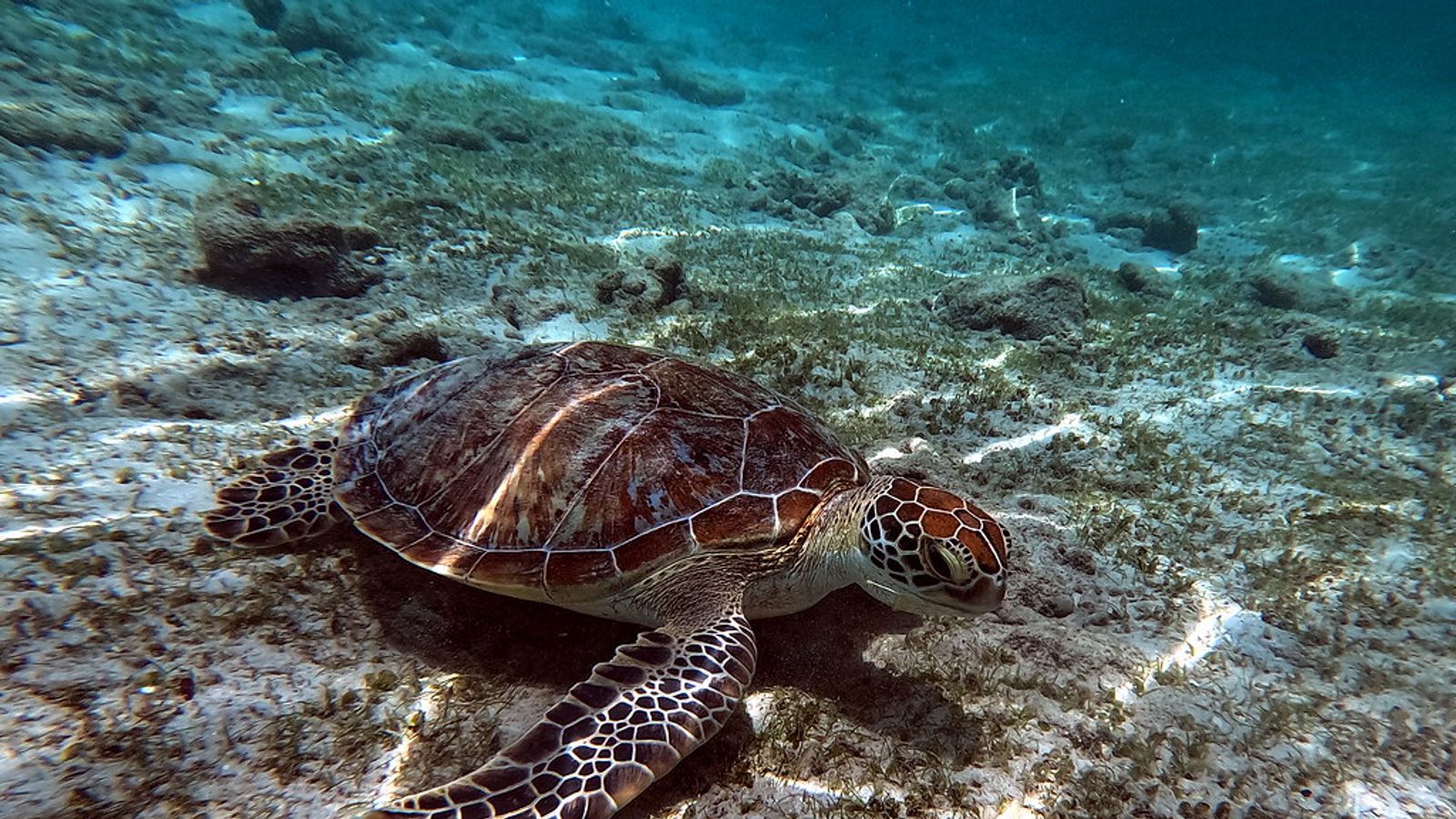
By Editorial Team · Last updated September 2026
Seven days in the Gili Islands built around an open water course, with enough fun dives afterwards to make the certification worth having.
The Gili Islands are where a very large number of people get certified, and the reason is not marketing. The water is warm and clear, the reefs start close to shore, there is no traffic to dodge on the way to the shop, and turtles are close to a daily occurrence. What people get wrong is the schedule: they book four nights, put the course on days one to three, and discover that a course you cannot fail is still a course you can rush. Seven days gives you the certification and then the dives that make it worth having.
Who this trip is for
Complete beginners who want an open water certification without treating a holiday as an exam, and solo travellers or friends who want an easy social base while they learn. It also works for couples where one dives and one does not, because the snorkelling here is genuinely good from the beach.
It is not for you if you want dramatic big-animal diving, if you need nightlife-free silence on every island, or if you are already an experienced diver looking for current and depth. Experienced divers should go to Nusa Penida or Komodo instead.
Trip at a glance
Route: Bali to Gili Trawangan, then Gili Air, then back to Bali.
Base changes: Two. Four nights on Trawangan for the course, three on Air for the quieter half.
Pace: Balanced. Course mornings are structured, afternoons are yours.
Gets you: An open water certification plus four or five logged fun dives, rather than a card and nothing else.
Why this route makes sense
Doing the course on Trawangan and the fun dives from Air is deliberate. Trawangan has the highest concentration of dive schools, so if you do not click with an instructor you have alternatives. Gili Air is quieter and cheaper to linger on, which is what you want once the classroom part is done and you are just diving and eating.
Which dive sites will you actually dive in the Gili Islands?
Most Gili diving happens inside a ring of about a dozen sites between the three islands. Shark Point and Halik sit off Gili Trawangan, Meno Wall and Turtle Heaven off Gili Meno, Air Wall and Air Slope off Gili Air. Almost all are boat dives of ten to twenty minutes, and none are far offshore.
The spread matters because the sites are not interchangeable. Shark Point drops past thirty metres and is current-influenced, which is why it sits on the Advanced list rather than the course list. Turtle Heaven is a pinnacle with coral cover from roughly ten to thirty metres and the turtle density the name promises. Meno Wall is a drift along a steep wall and the islands' best night dive. Air Wall drops vertically from about five to thirty metres with gorgonian fans and bumphead parrotfish deeper down.
| Site | Island | Depth and conditions | What you see | Course or after |
|---|---|---|---|---|
| Shark Point | Gili Trawangan, north-west tip | Ridges dropping past 30 metres, current-influenced | White-tip and black-tip reef sharks, jackfish schools, occasional eagle rays, a tug wreck at depth | After, and realistically after an Advanced course |
| Halik Reef | Gili Trawangan, north-west | A gentle slope from roughly 6 to 40 metres | Gorgonian fans and snapper schools, turtles on the shallow shoulder | Either. The shallow part works as a course dive |
| Turtle Heaven | North-east of Gili Meno | A pinnacle with coral cover from roughly 10 to 30 metres | Green and hawksbill turtles in numbers, which is the site's whole reputation | Either, and the dive most people remember |
| Meno Wall | Gili Meno | A drift along a steep coral wall | Turtles and cuttlefish, and the best night diving in the islands | After. Drift and night diving are not course skills |
| Air Wall | Gili Air, east side | A vertical drop from roughly 5 to 30 metres | Gorgonian fans, with bumphead parrotfish deeper down | After for the wall itself, though the shallow top suits students |
| Air Slope | Gili Air | A gentle reef and muck mix, shallow throughout | Macro life and nudibranchs, plus room to practise skills with no wall below you | Course. This is the kind of site day three usually uses |
Read that last column before you pick a school on reputation alone. A student on a four-day course dives shallow, sheltered sites, and the ones people arrive wanting, Shark Point above all, are the ones they are not yet qualified for. That gap is the strongest argument for staying on after certification instead of flying home with a card and four logged dives.
How long does it take to learn to dive in the Gili Islands?
An open water course takes three to four days: theory and pool skills first, then four open water dives. Three days is possible but leaves no slack. Add at least two more days of fun diving afterwards, because the skills only settle once you are diving without an instructor talking you through every step.
| Option | Time needed | Roughly what it costs | Best for |
|---|---|---|---|
| Discover Scuba, one dive | Half a day | Well under the cost of a course | Deciding whether you like it at all |
| Open Water certification | Three to four days | Around IDR 6.2 to 6.9 million in 2026 | Anyone who wants to keep diving after |
| Open Water plus fun dives | Six to seven days | Course plus roughly IDR 490,000 to 640,000 a dive | This itinerary, and the reason it is seven days |
| Advanced course | Two extra days | Varies by school | Divers who already hold Open Water |
How much does diving in the Gili Islands cost in 2026?
Budget roughly IDR 5,000,000 to 6,900,000 for a PADI Open Water course, about $310 to $390, depending on the school and what the package covers. Individual fun dives run around IDR 500,000 to 700,000 each, with real discounts on packages of five or ten, plus a one-off marine park fee of about IDR 100,000.
There is one local fact that saves you a day of research. Almost every established dive centre on Gili Trawangan belongs to the Gili Indah Dive Alliance, formed in 2008 and led by the local elders, and the alliance sets minimum prices across its member shops. Whichever member you walk into, the course price is broadly the same, and so are the package discounts. Hunting for a cheaper quote is time you will not get back.
So compare the things that genuinely vary: how many students per instructor, whether the instructor who showed you around is the one who will teach you, how well maintained the rental gear looks, and which sites the shop actually dives. Treat every figure here as a working estimate for 2026, because listings move each season, and confirm with the school before you commit.
When is the best time to dive in the Gili Islands?
April to November is the reliable window, with calm seas, visibility around 25 to 30 metres and currents a newly certified diver can handle. Water sits between 28 and 29 degrees all year, so the season is really about surface conditions and visibility rather than temperature.
December to March you can still dive, and plenty of people do. What breaks a four-day course in that window is the crossing rather than the water: fast boats from Bali cancel more often, and losing the first day is what turns a seven-day plan into a rushed one. Green and hawksbill turtles are around all year, so there is no season to chase for them. If you are timing the wider trip, our guide to the best time to visit Lombok covers the same window on the mainland.
Day 1: Cross from Bali and pick your school
Morning. Fast boat from Bali. Budget 1.5 to 2.5 hours at sea plus the road transfer to the port, and take a morning departure, and our Bali to Gili Islands transport guide lays out the operators and the crossing times.
Afternoon. Walk the main strip and visit three dive schools in person. Ask about group size and how many students per instructor.
Evening. Sign up for a course starting tomorrow, not today.
Base: Gili Trawangan, four nights.
Booking logic: Crossings sell out in peak season, so compare Bali to Gili Trawangan boats on 12Go before you fix your dates. Published fares start around IDR 275,000 and vary a lot by operator.
Travel note: Afternoon seas are rougher and a cancelled boat can cost you a day of the course. Book the morning crossing.
Day 2: Theory and confined water
Morning. Classroom and the shallows. Mask clearing and regulator recovery are the bits people find unpleasant, and they are over quickly.
Afternoon. More confined water skills. This is the least glamorous day and the one that makes the rest work.
Evening. Study the theory. It is not hard, but it is not optional.
Travel note: If you are struggling with equalising, say so early. Instructors can slow this down, but not if they find out on dive three.
Day 3: First two open water dives
Morning. Two dives at shallow sites. Everything feels fast and slightly overwhelming, which is normal.
Afternoon. Rest and log the dives properly.
Evening. Early night.
Day 4: Final dives and certification
Morning. Dives three and four, usually including a site with a decent chance of turtles.
Afternoon. Paperwork and certification.
Evening. Worth marking. You are a diver.
Travel note: Do not book your onward boat for this afternoon. Courses slip by half a day all the time.
Day 5: Cross to Gili Air and dive as a certified diver
Morning. Short local boat to Gili Air.
Afternoon. One fun dive. This is the first one where nobody is watching your every move, and it is the one that teaches you the most.
Base: Gili Air, three nights.
Book early: Gili Air fills earlier than people expect in July and August, so compare stays on Gili Air before you leave Bali.
Travel note: The local boats between the Gilis run to a sparse fixed schedule, not on demand. Check the times the day before.
Day 6: Two fun dives, and the reef in daylight
Morning. Two dives. Ask for a site with a slight drift so you learn to let the water do the work.
Afternoon. Snorkel off the east side. The turtles are shallower than people expect.
Evening. Sunset on the west side, which faces Bali and Mount Agung on a clear day.
Day 7: Back to Bali
Morning. Fast boat back. Leave the morning free and do not dive today.
Travel note: Leave 18 to 24 hours between your last dive and any flight. If you are flying out of Bali the same evening, your last dive needs to be on day 6.
What to book early, and what to keep flexible
Book the boat from Bali and your first four nights, because arriving in peak season without a room on Trawangan is genuinely difficult. Leave the dive school itself flexible until you have walked in and met people. The single biggest difference in how much you enjoy the course is the instructor, and you cannot assess that online.
Book early: For the course half of the trip, compare stays on Gili Trawangan and stay within walking distance of the schools.
Mistakes beginners make in the Gilis
Booking a three-day trip for a three-day course is the classic, and it leaves nothing for a delayed boat or a slow ear. Others: picking a school purely on price, drinking heavily the night before open water dives, and booking a flight home the same evening the course ends. Cash matters too, since card payment on the islands is unreliable.
What to cut, adapt or upgrade
Short on time, drop Gili Air and run this in five days on Trawangan alone, accepting that you finish with a certification and very little diving. If you are unsure whether you will even like it, do a Discover Scuba dive on day one and commit to the course after. Upgrading, swap the last two days for an advanced course, or add Nusa Penida later in the year once you have thirty dives behind you.
Before you build this trip
Money. Bring cash. Card payment across the Gilis is patchy and the ATMs run dry in peak season.
Health. Declare asthma, ear surgery or recent illness on the medical form honestly. A doctor's sign-off obtained in advance is far easier than sorting it out on the island.
Getting around. There are no cars or motorbikes on the Gilis. It is bicycles, walking and horse carts, which is a large part of why the islands feel the way they do.
Connectivity. Wifi on the islands is inconsistent and you will want to confirm boat times. An Indonesia eSIM with Airalo avoids hunting for a local SIM on arrival.
Gili Trawangan, Gili Air or Gili Meno: where should a diver stay?
Trawangan has the most dive schools and the only real nightlife, Gili Air has a quieter strip with a handful of good centres, and Gili Meno has the fewest of everything. For a seven-day trip built around a course, certifying on Trawangan and doing the fun dives from Gili Air gives you both halves without a second crossing.
That split is why this itinerary changes base once rather than twice. Meno is the quietest of the three and the least practical island to certify from, because a session cancelled there is harder to rearrange at short notice. To weigh the three on more than diving, our comparison of the Gili Islands sets them side by side on beaches, food, cost and crowds.
Final verdict
If you want to learn to dive somewhere warm, cheap and genuinely pleasant, this is one of the best places in the world to do it, and seven days is the honest minimum. Four days gets you a card. Seven gets you the confidence to use it. The diving itself is gentle rather than spectacular, so treat this as the trip that makes the next one possible, not the peak of your diving life.
Related itineraries
Once you have the dives logged, step up to 6 days diving Nusa Penida.
For the same islands without the course, see our 4 days across Gili Trawangan, Meno and Air.
To pair the Gilis with Lombok itself, see 7 days in Lombok and the Gili Islands.
Before you go
Sort the practical side
Entry rules and a realistic budget before you book this trip.
Good to know
Frequently asked questions
How long does an open water course take in the Gilis?
Three to four days: theory and pool skills, then four open water dives. Three days works but leaves no room for a delay, so build in a spare day.
How much does it cost to learn to dive in the Gili Islands?
Open water courses were running roughly IDR 6.2 to 6.9 million across Gili schools in 2026, usually including materials and equipment. Prices move, so confirm with the school before you book flights.
Which Gili island is best for diving?
Gili Trawangan has the most dive schools, which matters when you are choosing an instructor. Gili Air is quieter and cheaper for fun diving afterwards. This itinerary uses both, for that reason.
Do you need to be a strong swimmer to learn to dive?
You need basic water confidence and a short swim and float test, not speed or technique. If you are anxious in open water, say so at signup so the instructor can pace the confined water sessions.
Will you see turtles diving in the Gili Islands?
Turtles are common on the shallow reefs and many divers see them on their first open water dives. Nothing underwater is guaranteed, but this is one of the more reliable places for them.
How do you get from Bali to the Gili Islands?
By fast boat, roughly 1.5 to 2.5 hours at sea plus the road transfer to the port. Take a morning departure, since afternoon seas are rougher and cancellations cost you a day.
When is the best time to dive the Gili Islands?
Diving runs year-round with warm water throughout. Roughly May to September brings the calmest seas and most reliable crossings, which matters more for the boat than for the diving itself.
Go deeper
Lombok & Gili guides
Keep exploring
Related itineraries
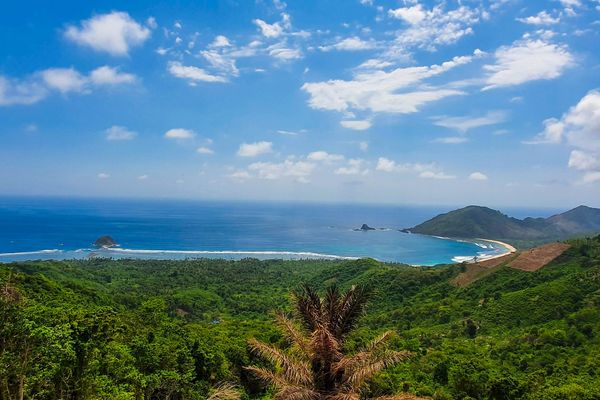
One week (6-8 days) · Lombok & Gili Islands
8 Days in Southwest Lombok: Sekotong, the Quiet Gilis and Tetebatu
Skip Trawangan. Eight days on Gili Gede, the Nanggu snorkelling loop, Tetebatu and Ekas, with real boat costs and honest drive times.
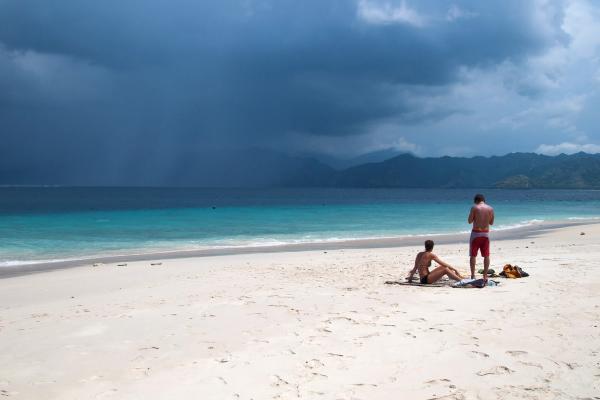
Short escape (3-5 days) · Lombok & Gili Islands
4 Days in the Gili Islands: Trawangan, Meno and Air
A 4-day Gili Islands itinerary: which island to base on, how to reach Meno and Trawangan by day boat, boat timings and what to book ahead.
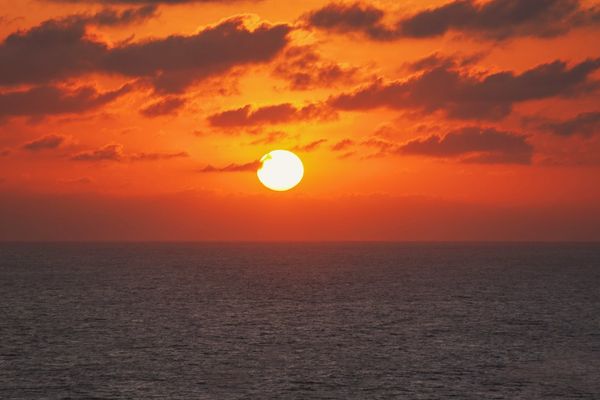
One week (6-8 days) · Lombok & Gili Islands
South Lombok: A 7-Day Beach Itinerary from Kuta Lombok
A relaxed 7-day South Lombok plan around Kuta, Selong Belanak and Tanjung Aan: where to base, what to book, and which beaches are worth your days.
Share this itinerary