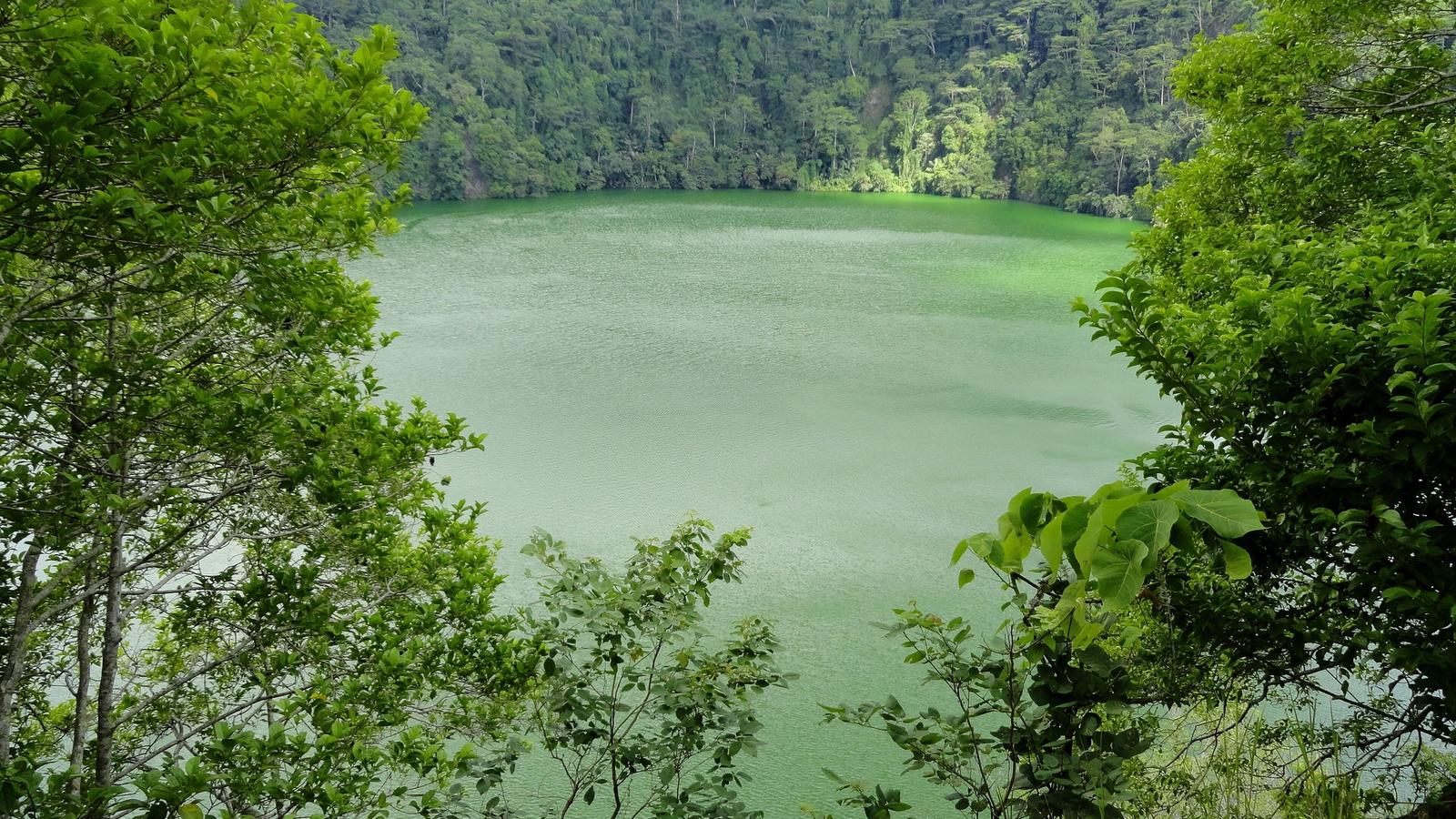
By Editorial Team · Last updated September 2026
Ternate is a volcano with a town wrapped round its base, and that volcano has been closed for years. Indonesia's volcanology agency has held Gamalama at alert Level II with an exclusion zone around the crater, so the summit most people fly in for is not on. This seven day plan accepts that and moves the climb across the strait to Tidore, where Kie Matubu is fifteen metres higher, open with a village guide, and the better mountain anyway.
Two volcanic cones sit a few kilometres apart in the Molucca Sea, and for two centuries they were among the most fought over ground on earth, because cloves grew on them and almost nowhere else. Ternate and Tidore are still there, still shaped like the volcanoes a child draws, and hardly anyone goes. The clove money left, mass tourism never arrived, and what is left is a corner of the archipelago where you can have a Spanish fort to yourself at eight in the morning.
The catch is that the obvious plan does not work. Most people fly to Ternate to climb Gamalama, and Gamalama has been closed for years. This week is built around that fact rather than against it.
Who this trip is for, and who is better off elsewhere
This suits travellers who want one serious climb, a lot of layered history and very little infrastructure, and who have already seen Bali or Flores. You need patience with domestic flight connections, tolerance for plain rooms, and a little Bahasa Indonesia. Seven days covers both islands properly without a single rushed day.
Skip it if this is your first trip to Indonesia. North Maluku has no tourist scaffolding: no dive shop street, no hostel scene, no English menus outside a handful of hotels. Skip it too if the whole point for you is a summit photograph on Gamalama, because that is the one thing this week cannot deliver. Families with young children will find the transfers long and the beaches ordinary by Indonesian standards, and there are better weeks for that in Raja Ampat or the Nusa islands.
Trip at a glance
Seven days, two islands, one climb, one short sea crossing that costs about the same as a bottle of water. You sleep three nights in Ternate town, three in Soasio on Tidore, and spend the last morning back on Ternate near the airport. Nothing here needs a domestic flight once you have landed.
| Day | Base | The day | Effort |
|---|---|---|---|
| 1 | Ternate town | Arrive, forts and the old waterfront | Easy |
| 2 | Ternate town | The ring road: Batu Angus, Sulamadaha, Tolire | Easy |
| 3 | Ternate town | Hiri island by boat, slow afternoon | Easy |
| 4 | Soasio, Tidore | Cross at Bastiong, Fort Tahula, the Kedaton | Easy |
| 5 | Soasio, Tidore | Kie Matubu from Gurabunga, pre-dawn start | Hard |
| 6 | Ternate town | Tidore's east coast, then back across the strait | Easy |
| 7 | Departs | Market, then Sultan Babullah airport | Easy |
Why this route makes sense
The route follows one rule: put the climb on Tidore and put it late. Gamalama is off limits, Kie Matubu is not, and Kie Matubu is the higher of the two at 1,730 metres, the highest point in all of North Maluku. Doing it on day five rather than day two means you arrive acclimatised to the heat, you have already met people who can find you a Gurabunga guide, and a weather day does not wreck the week.
The second rule is that Ternate is the logistics island and Tidore is the quiet one. Every flight, every ATM that reliably works, every pharmacy and every hotel with air conditioning is on Ternate. Tidore has the better mountain, the better village life and thinner everything else. Sleeping three nights on each is not symmetry for its own sake, it is what stops you commuting back and forth across the strait every evening.
The third rule is that the sea is short here, which is unusual for Maluku. The Bastiong to Rum crossing is minutes, not hours, and it runs around the clock. That is the single reason a seven day two island trip is realistic in this part of the country, where the Banda Islands would eat the same week in ferry days alone.
Can you actually climb Gamalama?
Not right now, and not for several years. PVMBG, Indonesia's volcanology agency, has held Gamalama at alert Level II through 2026, with standing advice that nobody should be active within 1.5 kilometres of the crater. Local guides will still walk you up the lower slopes through the clove and nutmeg plantations, and they stop well short of the top.
That is worth taking seriously rather than negotiating around. Gamalama is one of the most frequently active volcanoes in Indonesia and the town sits directly on its skirt. If you want the current status before you book anything, the agency publishes alert levels for every Indonesian volcano and they do change, so check rather than assume, in either direction. A lower rating would reopen the summit, and a higher one would close the lower slopes too.
What you get instead is the shoulder of the mountain: the plantation belt, the crater lakes at its foot, and the view back at it from Tidore, which is honestly the better photograph anyway.
Ternate or Tidore: which island should you sleep on?
Ternate for logistics, Tidore for the climb and the quiet. Ternate has the airport, the banks, the hospital and most of the rooms with reliable air conditioning. Tidore has the open summit, the sultan's palace still in use, and villages where a foreigner is a genuine event. Split the week rather than choosing, because the crossing is short enough to make splitting cheap.
| Ternate | Tidore | |
|---|---|---|
| Sleep here for | Arrival, departure, anything you need to buy | Kie Matubu, Gurabunga, slow days |
| Rooms | Hotels and guesthouses, some with air conditioning | A handful of simple guesthouses in Soasio |
| Highest point | Gamalama, 1,715 m, summit closed | Kie Matubu, 1,730 m, open with a local guide |
| Getting around | A paved loop road, scooters and Grab in town | One coast road, ojek and negotiated cars |
| The catch | Traffic and noise in town, the mountain you cannot climb | Thin food options after dark, no real nightlife |
Day 1: Land in Ternate, and walk the waterfront before dark
Morning. Arrive at Sultan Babullah airport, which sits at the northern edge of town, fifteen minutes from the centre. Flights land from Jakarta, Surabaya, Makassar, Manado and Ambon, and the Jakarta leg is the long one at roughly three and a half hours direct. Drop your bag and do nothing ambitious with the rest of the day.
Afternoon. Fort Oranje, in the middle of town, is the easiest introduction: a Dutch fort from 1607 that was the administrative heart of the spice trade, now half occupied by families and open to walk through. From there it is a short ride to the Kedaton, the Sultan of Ternate's palace, which still functions as a royal residence and museum. Opening is informal, so ask at your hotel before you set out.
Evening. The Swering, Ternate's seafront promenade, fills up after sunset with grilled fish stalls and families. Eat there. It is the most enjoyable hour of the day in town and costs almost nothing.
Base: Ternate town, three nights, close to the Swering rather than the airport so you can walk out in the evening. Compare hotels and guesthouses in Ternate and weight location over star rating here, because the good ones are a short row of streets.
Booking logic: Get the flight in early, because North Maluku routes are thin and fares climb steeply near the date. You can price the direct leg on 12Go's Jakarta to Ternate page, which lists around ten departures a day across Batik Air, Garuda and Wings Air. If you are already in Sulawesi, the Manado to Ternate hop is fifty minutes and often the cheapest way in.
Travel note: Ternate runs on WIT, Eastern Indonesia Time, two hours ahead of Jakarta. A flight that leaves Jakarta at seven in the morning lands mid-afternoon, not late morning, and that surprises people into wasting a day.
Day 2: Ring the volcano you cannot climb
Morning. The whole island is circled by one paved road, and driving the loop without stopping takes about an hour and a half. With stops it is a full and very good day. Go anticlockwise and start at Batu Angus, the black lava field on the northeast coast where an eighteenth century flow reached the sea and set solid. It is exactly what it sounds like, and it is more affecting in person than in photographs.
Afternoon. Continue to Sulamadaha, on the north tip, and then walk the short path beyond the beach to Hol Sulamadaha, the cove where the water is clear enough that the wooden boats look suspended. Snorkel here rather than at the main beach. Then Danau Tolire Besar on the west side, a steep-walled crater lake with a local legend about a cursed village and, depending on who you ask, crocodiles. Entry is a token amount, in the range of a few thousand rupiah plus parking, but bring small notes.
Evening. Finish the loop at the Ngade lakeside viewpoint on the southern side, where the classic composition sits: the lake in front, then the strait, then Maitara island, then Tidore's cone behind it. This is the view that was printed on the old thousand rupiah note. Sunset here, then back into town.
Base: Ternate town, second night.
Booking logic: Nothing needs booking. Arrange a scooter or a driver through your hotel the night before, and settle the price before you get in. A driver for the day is the better call if there are two of you and neither has ridden in Indonesia before, because the loop road is busy near town.
Travel note: Fuel up before you leave town. Stations thin out on the north and west of the island, and the roadside sellers work with bottles rather than pumps.
Day 3: Hiri island, and an afternoon that goes nowhere
Morning. Hiri is the small cone off Ternate's north coast, reached by public boat from the Togafo or Sulamadaha side in fifteen to twenty minutes. There is nothing organised there, which is the appeal: four villages, a road that mostly circles the island, black sand, and views back across at Gamalama that you will not get from Ternate itself. Take water and a hat, because shade is limited and there is no shop worth the name.
Afternoon. Come back mid-afternoon and do the thing this trip is genuinely good at, which is nothing. Ternate is a working town rather than a resort, and an hour in the market at Bastiong or on the seafront tells you more about North Maluku than another fort will.
Evening. Repack for Tidore. You are crossing tomorrow morning and you want the climbing gear accessible.
Base: Ternate town, third and last night.
Booking logic: Hiri boats are informal and go when they fill. Ask your driver or hotel which landing is running that week, because it moves with the swell.
Travel note: If the sea looks rough, drop Hiri without regret and spend the day on the lower slopes of Gamalama with a guide from town instead. The plantation walk is genuinely pleasant and it costs you nothing to switch.
Day 4: Cross to Tidore, and find Soasio
Morning. Take a becak or a Grab to Bastiong harbour on Ternate's south side and get on a speedboat to Rum on Tidore. The crossing is a matter of minutes and the fare is trivial, in the region of twenty thousand rupiah per person as agreed between operators and passengers in recent years. Wooden boats run the same route more slowly for a little less, and a motorbike travels for around thirty five thousand.
Afternoon. From Rum it is roughly forty five minutes by road down the west coast and around to Soasio, Tidore's main town. Settle in, then walk to Fort Tahula, the Spanish fortification above the town that dates from the early seventeenth century and looks straight back at Ternate. The Kedaton Kie, the Sultan of Tidore's palace, sits nearby and is worth the visit for the regalia and the sense that this is still a living court rather than a ruin.
Evening. Find your Kie Matubu guide tonight, not in the morning. Ask at your guesthouse, and ask them to call Gurabunga rather than promise you someone vaguely.
Base: Soasio, three nights. Look at what is bookable on Tidore before you travel, then confirm directly by phone, because inventory here is thin and much of it never reaches the booking sites at all.
Booking logic: The crossing needs no booking and runs around the clock, so there is no reason to rush the morning. What does need arranging in advance is the guide, and a day's notice is the difference between a four in the morning start and a wasted day.
Travel note: Draw cash on Ternate before you cross. ATMs exist on Tidore but they are fewer, and a guide, an ojek and a guesthouse will all want notes.
Day 5: Kie Matubu, the highest point in North Maluku
Morning. Start in the dark. The trailhead is Gurabunga, a hill village at around 646 metres about twenty minutes above Soasio, which means you begin with a third of the climb already done for you. From there it is roughly three hours up for a strong walker and a little over two back down, on a trail that mapping apps put at around seven kilometres return with a shade over a thousand metres of gain. The summit is 1,730 metres and on a clear morning it gives you Ternate, Maitara, Halmahera and the open Molucca Sea in one turn.
Afternoon. Come down, eat, and do absolutely nothing. This is the one hard day of the week and pretending otherwise is how people end up limping through day six.
Evening. Gurabunga itself is worth a slow half hour on the way back if your legs allow, for the traditional houses and the flower gardens the village is named after.
Base: Soasio, second night.
Booking logic: Take a guide from Gurabunga, and take it as a rule rather than a suggestion. The route passes through forest that holds traditional ritual houses, which outsiders are not free to wander into, so a village guide is a matter of permission as much as navigation. Agree the fee the night before.
Travel note: Carry more water than feels sensible and start earlier than feels sensible. The cloud builds over the summit through the morning and the view is a dawn asset, not a midday one.
Day 6: Tidore's east coast, then back across the strait
Morning. A slow drive up Tidore's quieter side, past villages, clove drying on tarpaulins by the road, and the small beaches that nobody has developed. If your legs are willing, the old Spanish fort ruins scattered around the island make a good excuse for a route. If they are not, sit still and let the island be the point.
Afternoon. Back to Rum, across to Bastiong, and into Ternate for the last night. Crossing in the afternoon rather than tomorrow morning is deliberate: it takes the airport risk out of your final day entirely.
Evening. Last dinner on the Swering.
Base: Ternate town, one final night, near the airport side this time rather than the seafront if you have an early flight.
Booking logic: Book the last Ternate night when you book the first three, as a single reservation with a gap if the hotel allows it. Walking in on a Saturday evening in Ternate is not reliable.
Travel note: Speedboats run late, but the last comfortable crossing with luggage is before dark. Do not plan to cross at nine at night with a rucksack.
Day 7: The market, then the airport
Morning. Ternate's markets start early and wind down by mid-morning. Gamalama market in the centre is the one to walk, for nutmeg, mace and clove sold by the sack rather than the souvenir jar. If you are taking spice home, buy it here and not at the airport.
Afternoon. Sultan Babullah is small and the domestic check-in is quick, but the flights out are few and the consequence of missing one is a day, not an hour. Be there two hours ahead.
Base: Departs.
Booking logic: If you are connecting onward the same day through Makassar or Manado, book it as one ticket rather than two. A separate domestic ticket after a delayed Maluku flight is the most common way to lose money on this trip.
Travel note: Ternate to Jakarta the same day is possible but long. Ternate to Manado and a night there is the softer landing if your onward flight is international.
How do you get from Ternate to Tidore?
By speedboat from Bastiong harbour on Ternate to Rum on Tidore, a crossing of roughly ten to fifteen minutes that runs through the day and, since the service went round the clock, into the night. The fare was agreed at about twenty thousand rupiah per person after the most recent increase. Slower wooden boats run the same route for a little less.
A motorbike crosses for around thirty five thousand rupiah, and chartering a whole boat sits near a hundred and fifty thousand, which is worth it only if you are four people with luggage and in a hurry. Fares here are set by local agreement between operators and passengers and they move, so treat every figure on this page as a working estimate and expect the real number to be a little different by the time you go.
From Rum, Soasio is about forty five minutes by road. Ojeks wait at the landing and will quote high to a foreigner, so agree the price before you sit down.
When is the best time to visit Ternate and Tidore?
There is no dry season here, only a less wet one. North Maluku takes meaningful rain every month of the year, with the wettest stretch around May and June and the driest around August. August through October is the most reliable window for a summit day on Kie Matubu, and February is a second, shorter opening.
This matters more than usual because the one thing you cannot reschedule is the climb, and a cloudy Kie Matubu is a long walk to a white wall. Give yourself a spare day if you are travelling outside the August to October band.
| Months | What the weather does | Verdict |
|---|---|---|
| August to October | The driest stretch, still with rain most weeks | Best window for the climb |
| February | A short drier gap in the wet half | Workable, less predictable |
| May and June | The wettest months of the year | Go only if the dates are fixed |
| November to January | Wet and often windy on the crossings | Fine for forts, poor for summits |
What to book early, and what to keep flexible
Book early: the flight in and out, and the three Soasio nights. Both are thin. North Maluku air routes have few seats and fares rise sharply close to the date, and Tidore's guesthouse stock is small enough that a wedding or a government meeting in Soasio genuinely fills the town.
Book a day ahead: the Kie Matubu guide, and a driver for the Ternate ring road. Neither needs weeks of notice and neither should be left to the morning of.
Keep flexible: Hiri, the Tidore east coast drive, and the order of days two and three. All three are weather calls and all three swap cleanly with each other. That flexibility is the whole reason the hard day sits at day five rather than day two.
Mistakes travellers make in North Maluku
Flying in to climb Gamalama. It is the single most common error and it is avoidable with one check of the alert level before booking. People arrive with boots and a plan and discover the mountain has been shut since long before they thought of coming.
Treating Ternate as a beach destination. The beaches are black sand and mostly ordinary. The island's strengths are the volcano's shape, the forts, the market and the crossing, and a traveller who came for sand goes home disappointed by a place that was never selling sand.
Underestimating the connection. Ternate is not a hub, it is an end point. A missed link in Makassar or Manado does not cost you a morning, it can cost you a day, and same-day international connections out of Jakarta after a Maluku flight are optimistic.
Arriving with no cash. Ternate's ATMs are fine, Tidore's are sparse, and the guide, the boat and the ojek are all cash. Draw what you need for both islands while you are still in Ternate town.
Doing the crossing every day. Some travellers base on Ternate and commute to Tidore because the boat is cheap. The boat is cheap, the four hours a day of transfers are not, and a four in the morning start for Kie Matubu from Ternate is unpleasant in a way that a Soasio bed solves for a few dollars.
What to cut, adapt or upgrade
Cut to five days: drop Hiri and the Tidore east coast drive. You keep both forts, the ring road and the climb, and you lose the slow half of the trip, which is a real loss but a survivable one.
Stretch to ten: add Halmahera. Jailolo is a short crossing west from Ternate and opens up a completely different landscape, forested and far larger, with almost no visitors at all. It belongs in a longer trip rather than squeezed into this one.
Adapt for non-climbers: swap day five for a boat day around Maitara and the Tidore coast. The week still works, and honestly the view of Tidore from the water is the image most people take home anyway.
Upgrade: a private car with a driver for both island days, and the better grade of room in Ternate on arrival and departure. Neither is expensive by Indonesian standards and both buy back real time.
Do not upgrade: the crossing. Chartering a speedboat instead of taking the public one saves you about ten minutes and removes the best twenty thousand rupiah you will spend all week.
Before you build this trip
Visa. Most visitors use the eVOA, which currently sits at IDR 650,000 for thirty days and can be extended once. Seven days is comfortably inside it. Fees and rules change, so check the current position on our Indonesia visa guide and the official immigration site before you pay for anything.
Money. North Maluku is not expensive, but the flights are, and that skews the budget compared with a week in Java. Treat the air tickets as the fixed cost and everything on the ground as small change. For the wider picture, see our Indonesia travel costs guide.
Connectivity. Buy an Indonesia eSIM before you land. Coverage on Ternate is decent and on Tidore it is patchy but real, and you will want a working phone the evening you are trying to reach a Gurabunga guide through a third party.
Health. Ternate has a hospital, Tidore has clinics, and anything serious means a flight to Manado or Makassar. Carry insurance that covers evacuation and take the climb seriously: a thousand metres of gain in tropical heat puts more people in trouble than the altitude does.
Language. English is limited outside a few hotels. A hundred words of Bahasa Indonesia changes this trip more than it changes most Indonesian trips, because here there is no tourism industry translating for you.
Final verdict
Go, and go for the right mountain. Ternate and Tidore give you something increasingly rare in Indonesia: a place with genuine historical weight, two handsome volcanoes, a ten minute sea crossing that costs pennies, and effectively no other travellers. A week is the right length. Five days feels clipped and ten needs Halmahera to fill it.
The honest catch is that the headline attraction is closed. If you need to stand on Gamalama, this trip will disappoint you and no amount of planning fixes that. If you can accept the swap, Kie Matubu is the better climb anyway, fifteen metres higher and with the added pleasure of looking back at the volcano everyone else came for.
If the remoteness appeals but the closed summit does not, Sulawesi offers similar depth with roads and more choice. If what you want is exactly this, two small islands that mattered enormously and now matter to almost nobody, there is no substitute.
Related itineraries
Three trips in the same half of the country, with different amounts of friction. The nine day Banda Islands spice route is the southern half of the same clove and nutmeg story, harder to reach and slower once you are there. The fourteen day Sulawesi route through Toraja, the Togeans and Bunaken trades remoteness for roads. And the twenty day wild Indonesia itinerary strings several of these corners together for travellers with a month to spend.
Before you go
Sort the practical side
Entry rules and a realistic budget before you book this trip.
Good to know
Frequently asked questions
Can you climb Mount Gamalama in Ternate?
Not at present. PVMBG, Indonesia's volcanology agency, has kept Gamalama at alert Level II through 2026, with standing advice that nobody should be active within 1.5 kilometres of the crater. Guides will walk the lower plantation slopes and stop there. Check the current alert level before you book, because it can move either way.
How do you get from Ternate to Tidore?
By speedboat from Bastiong harbour on Ternate to Rum on Tidore, ten to fifteen minutes, for roughly twenty thousand rupiah per person as a working estimate. Wooden boats run the same route more slowly for slightly less, a motorbike crosses for around thirty five thousand, and the service now runs around the clock.
How hard is the Kie Matubu hike?
Hard but short. The trailhead at Gurabunga sits near 646 metres and the summit is 1,730 metres, so you climb a little over a thousand metres in roughly three hours up and two back down, on a trail mapped at around seven kilometres return. The difficulty is heat and gradient rather than technique.
Do you need a guide for Kie Matubu?
Yes, and take one from Gurabunga village specifically. The route passes forest holding traditional ritual houses that outsiders are not free to enter, so a village guide is a question of permission as much as navigation. Arrange it the evening before rather than on the morning of the climb.
How many days do you need for Ternate and Tidore?
Seven is the comfortable number: three nights on Ternate, three on Tidore, and a departure morning. Five works if you drop Hiri and the Tidore coast drive. Ten only makes sense if you add Halmahera, because the two islands themselves do not hold ten days of distinct activity.
When is the best time to visit North Maluku?
August to October is the driest stretch and the most reliable window for a clear summit morning, with February offering a second shorter gap. There is no true dry season here: rain falls in every month, heaviest around May and June. Build in a spare day if you travel outside August to October.
How do you fly to Ternate?
Sultan Babullah airport has direct services from Jakarta, Surabaya, Makassar, Manado and Ambon. Jakarta is around three and a half hours direct with roughly ten departures a day across Batik Air, Garuda and Wings Air. From Manado the hop is fifty minutes and usually the cheapest way in.
Is Ternate expensive?
On the ground, no. Rooms, food and transport sit at ordinary Indonesian prices, and the boat crossing costs pennies. The flights are the expensive part, because North Maluku routes are thin. Budget the air tickets as the fixed cost of the trip and treat everything else as small change.
Keep exploring
Related itineraries
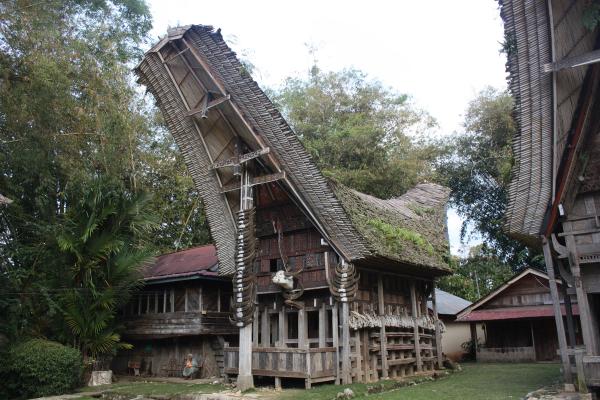
One week (6-8 days) · Wild Indonesia
7 Days in South Sulawesi: Makassar, Rammang-Rammang and Toraja
Seven days from Makassar to Tana Toraja: the Rammang-Rammang karst by canoe, the cliff graves of Rantepao, and the night bus that makes a week fit.
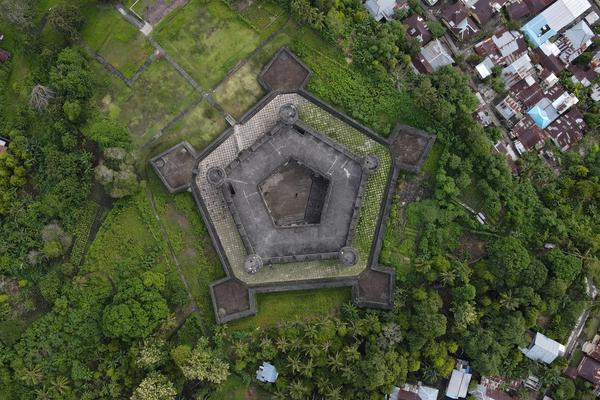
10 days (9-11 days) · Wild Indonesia
9 Days in the Banda Islands: Neira, Gunung Api, Hatta and Ai
How to plan 9 days in the Banda Islands: the three ways from Ambon, why two buffer days are not optional, and what Neira, Hatta and Ai are each for.
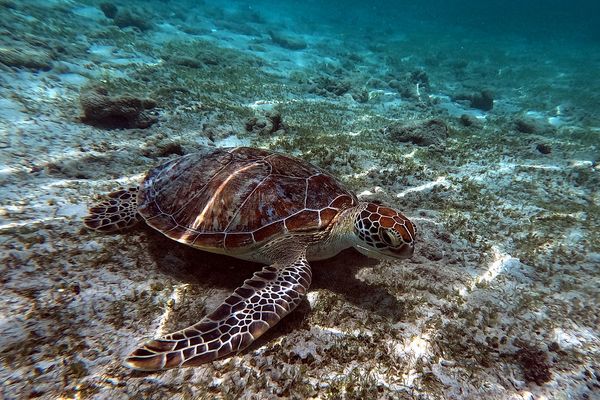
One week (6-8 days) · Wild Indonesia
8 Days in the Derawan Islands: Derawan, Sangalaki, Kakaban and Maratua
How to plan 8 days across Derawan, Sangalaki, Kakaban and Maratua: getting there from Berau, where to base, and the jellyfish lake rule that changed.
Share this itinerary