
By Editorial Team · Last updated September 2026
Most Indonesia trips stop at Bali and Komodo. This route adds Sumba, and that single choice changes the whole character of the two weeks. You trade convenience for space. Bali gives you a soft, green start, Komodo gives you dragons and island viewpoints, then Sumba slows everything down with empty beaches, megalithic villages and roads that do not always cooperate. The reward is real. So is the logistics tax, which routes you back through Bali to move between islands.
Who this trip is for
This route suits couples, premium and nature-focused travellers, and people coming back to Indonesia who already know Bali and want something wider and quieter alongside it. If your idea of a good travel day includes a long viewpoint hike, a boat full of snorkel stops, and an afternoon where the plan is deliberately empty, you will get a lot out of these two weeks.
It is not ideal for first-timers who want maximum sights per day, for budget backpackers, or for anyone who needs reliable infrastructure and tight connections. Sumba in particular is remote and undeveloped. Roads vary, lodging is limited and often boutique, and confirmed bookable tours are scarce. If a fragile ferry or flight connection would ruin your week, weigh that before committing to the Sumba leg.
Trip at a glance
Duration: 14 days.
Start and end: Denpasar, Ngurah Rai International Airport.
Best for: couples, premium travellers, nature lovers, repeat visitors.
Not ideal for: first-timers chasing maximum sights, budget backpackers, anyone needing reliable infrastructure.
Travel style: balanced pace, remote and offbeat on the Sumba leg.
Budget: as a working estimate, mid-range travellers spend roughly US$2,000 to US$3,500 per person, including domestic flights, a Komodo boat trip, Sumba's higher accommodation costs and park fees. Sumba's limited, often boutique lodging raises the average. Prices can change, so confirm current rates before locking anything.
Logistics level: easy in Bali, medium in Labuan Bajo, hard and at times fragile in Sumba.
Best time: April to October, the dry season.
Booking difficulty: moderate. Sumba lodging and Komodo boats need early booking. Inter-island flights need confirming before you lock hotels.
Why this route makes sense
The order is built around contrast and around one hard logistics fact. Bali opens the trip soft and cultural, so you arrive, adjust and ease in. Komodo comes next for islands, dragons and marine landscapes, the high-energy middle. Sumba lands last among the islands because it asks for a slower mindset, and it rewards travellers who have already shed their hurry.
The hard fact: there is no practical direct Sumba to Komodo flight. Most itineraries route via Bali between the two islands, which is why you fly Labuan Bajo back toward Bali before continuing to Sumba, then return through Bali again at the end. Uluwatu closes the trip on the cliffs near the airport, which keeps your final departure simple. Confirm current flight routes before locking hotels, since schedules shift.
Day 1: Arrive in Bali and settle into Ubud
Afternoon. Land at Denpasar and head straight inland to Ubud. The drive is long enough after a flight that a private airport transfer is worth it here, with a fixed price and a driver waiting rather than negotiating at arrivals while jet-lagged.
Evening. Check in, rest, keep it simple. Ubud gives the trip a calm, green opening before the wilder island sections.
Base: Ubud, 3 nights. Stay near Ubud Palace or Jalan Bisma to keep restaurants and walks within reach.
Booking logic: a private transfer matters less for the money and more for the friction it removes on day one.
Day 2: Ubud rice terraces, temples and a waterfall
Morning. Start with Ubud's classic landscapes: the Sacred Monkey Forest Sanctuary, Tegalalang Rice Terrace and Tirta Empul Temple.
Afternoon. Add one waterfall near Ubud. These sights are spread out and chaining them by public transport is not practical, so a private Ubud tour covering Monkey Forest, rice terraces and a waterfall earns its place. It comes with hotel pickup and a flexible pace, which matters at Tegalalang and Tirta Empul where you want to control your own timing around the crowds.
Evening. Back in Ubud for dinner.
Base: Ubud.
Day 3: Ubud slow day or Mount Batur sunrise
Morning. This is a choose-one day. For a scenic early start, a Mount Batur sunrise jeep experience gets you to the volcano viewpoint before the heat. Be honest with yourself about the wake-up time, since it is very early and pairs badly with a late night.
Afternoon. If you would rather stay cultural and rested, swap the volcano for a Balinese cooking class, then spend the afternoon by the pool, at a spa or walking the rice fields.
Base: Ubud.
Travel note: keep Day 3 light if you took the sunrise option. You fly the next morning.
Day 4: Fly to Labuan Bajo
Morning. Fly from Bali to Labuan Bajo, around 1.5 hours on Garuda or Lion Air. Arrange this separately via Traveloka or Google Flights, and confirm the current route before you lock hotels, since schedules change.
Afternoon. Check in near the harbour or at a resort-style property with sea views.
Evening. Dinner overlooking the water.
Base: Labuan Bajo, 3 nights. Harbour-area hotels give the easiest access to boat departures, which matters for tomorrow's early start.
Travel note: this is partly a positioning day. Treat the flight as the main event and do not over-plan the afternoon.
Day 5: Komodo National Park by boat
Morning. Full day in Komodo National Park, usually covering Padar Island, Pink Beach, Komodo Island, Manta Point and snorkeling stops. Padar gives the iconic viewpoint, Komodo Island brings the dragon encounter, and the snorkel stops add the marine side.
Afternoon. Keep moving between stops, then return to Labuan Bajo in the evening.
Base: Labuan Bajo.
Booking logic: book the speedboat day ahead in dry season, when demand is high. On the park fee, as a working estimate for 2026 it is a single bundled ticket per route, about IDR 650,000 on the Komodo route or IDR 900,000 on the Rinca and Padar route per person, pre-booked through the SiORA app or a licensed operator and covering park entry, ranger and site fees. Fees can change, so check the latest official guidance.
Travel note: crossings get rough in the wet months. The dry season is part of why this trip is timed April to October.
Day 6: Slow Labuan Bajo day
Morning. After a full day on the water, slow down. Stay by the pool or visit a nearby viewpoint.
Afternoon. If you want something light and on the water without another long boat day, a short Rangko Cave and sand island half-day trip works well. Arrange it locally or through your hotel.
Base: Labuan Bajo.
Travel note: this recovery day is deliberate. Do not stack it with another big excursion.
Day 7: Fly to Sumba
Morning. Fly from Labuan Bajo toward Sumba, usually with a connection depending on schedules, since there is no practical direct route. Arrange via Traveloka or Google Flights and confirm the routing before you commit, allowing buffer time around the connection.
Afternoon. Transfer to your accommodation and keep the rest of the day open. Sumba feels very different from Bali: wider, quieter, less developed, and best experienced slowly.
Base: Sumba, 5 nights. A handful of boutique resorts and eco-lodges sit in the southwest and east of the island. Book well in advance, since options are limited.
Travel note: this is a travel-heavy day with a connection. Treat arrival as the win and do not plan an evening activity.
Day 8: Southwest Sumba beaches and Weekuri Lagoon
Morning. Start in the southwest at Weekuri Lagoon, a clear saltwater lagoon.
Afternoon. Continue to Mandorak Beach and nearby coastal viewpoints. The sights are spread out and road conditions vary, so a Southwest Sumba day tour with a local driver is the realistic way to link them. Arrange through your accommodation or a licensed local operator.
Base: Sumba.
Travel note: Sumba roads are slow. Build in more transfer time than the distance suggests.
Day 9: Ratenggaro Village and coastal landscapes
Morning. Visit Ratenggaro Village, known for its tall traditional houses and coastal setting. This is the cultural heart of the Sumba leg, with megalithic tombs and living Marapu tradition.
Afternoon. Continue to nearby beaches and viewpoints, road conditions permitting. A Sumba cultural village and beach tour with a local guide adds the context that makes the day land, rather than just photographing houses.
Base: Sumba.
Booking logic: Sumba has limited affiliate platform coverage. If confirmed products do not exist on Klook or Viator, arrange through your accommodation or a local Sumba tour operator. Plan this leg expecting to book on the ground.
Day 10: Waterfall and inland Sumba
Morning. Head inland for one of Sumba's waterfalls, such as Lapopu. Your accommodation or a local driver can recommend the most realistic option for your base and the current road conditions.
Afternoon. This is the day to see the greener, more inland side of the island, away from the coast.
Base: Sumba.
Travel note: waterfall access depends on roads that change with the weather. Confirm reachability the day before.
Day 11: Slow Sumba day
Morning. Leave this day open. Rent a scooter if you are experienced, hire a driver, or stay close to your accommodation for a slow coastal day.
Afternoon. Sumba is best when you leave room for the unexpected. This unstructured day is the point of the island, not a filler.
Base: Sumba.
Travel note: keep your buffer here. If an earlier day got cut short by roads or weather, this is where you recover it.
Day 12: Fly to Bali and move to Uluwatu
Morning. Fly from Sumba to Bali, usually via Denpasar. Confirm the routing in advance and allow buffer time.
Afternoon. Head south to Uluwatu and spend the afternoon at Padang Padang, Bingin or Melasti Beach.
Base: Uluwatu, 2 nights. Cliff villas and ocean-view guesthouses suit this final stretch.
Travel note: this is a transition day built around a flight. The beach afternoon is a bonus, not a fixed plan.
Day 13: Uluwatu beaches and Kecak fire dance
Morning. Beach time in Uluwatu.
Afternoon. Late in the day, head to Uluwatu Temple for the Kecak fire dance at Uluwatu. Skip-the-line tickets are worth it here because the performance is timed to sunset and the entrance can back up. Booking ahead means you are seated rather than queuing as the light goes.
Evening. The Kecak performance runs at sunset, a fitting close to the trip.
Base: Uluwatu.
Day 14: Slow morning and departure
Morning. Take the final morning slowly, with an ocean-view breakfast, a short walk or a last massage.
Afternoon. Uluwatu is around 30 to 45 minutes from the airport. Leave buffer time, since Bali traffic can stretch that.
Base: Uluwatu, then Ngurah Rai for departure.
What to book early, and what to keep flexible
Book early: Sumba lodging, since boutique resorts and eco-lodges are few and fill in dry season. The Komodo boat day, for the same reason. Your inter-island flights, which thin out fast and dictate the whole skeleton of the trip. The Komodo park ticket through the SiORA app or a licensed operator.
Keep flexible: the Sumba days themselves, which are better arranged on the ground through your accommodation given thin affiliate coverage. The Day 3 Ubud choice between volcano and cooking class. The Day 6 recovery in Labuan Bajo. Waterfall and inland plans on Sumba, which depend on road conditions you cannot judge until you are there.
Mistakes travellers make on this route
Underestimating Sumba's roads and remoteness. Distances on a map mean little when the surface is rough. Budget more transfer time than you think you need.
Trying to fly Sumba to Komodo directly. There is no practical direct flight, so plan to route via Bali and accept the backtrack.
Booking Sumba lodging late. The good places are limited and boutique, and budget options are scarce. Latecomers either overpay or compromise.
Stacking the day after the Komodo boat trip. Day 6 exists to recover. Filling it usually means arriving in Sumba already tired.
Skimping on flight buffers. Connections on the Sumba legs are tight. Allow buffer time so one delay does not collapse the chain.
What to cut, adapt or upgrade
Cut: if 14 days is too long or Sumba's logistics worry you, drop the Sumba leg entirely and run Bali plus Komodo over fewer days. You lose the wild beaches and Marapu villages but gain reliability and a lower cost. The other way to cut it is to keep Sumba and drop everything else: our 8-day overland route from Waingapu to the west coast gives the island a whole trip instead of five nights, and crosses the east that this route never reaches.
Adapt: Sumba can shift east instead of southwest depending on where you base. Let your lodge shape the day tours around current road conditions rather than forcing the southwest loop.
Upgrade: the Komodo day can move from a shared speedboat to a private boat for a calmer pace and your own timing at Padar and the snorkel stops. On Sumba, upgrading the lodge is often the single biggest improvement to the whole leg, since the resort effectively becomes your base of operations.
Before you build this trip
Best time: April to October, the dry season, suits all three islands. Komodo seas stay calmer, Sumba's weather and surf are at their best, and Bali is sunny. The wet months bring rough Komodo crossings and muddy Sumba roads.
Visa and entry: check the latest official guidance for your nationality before you travel, since entry rules and fees can change.
Domestic transport: inter-island flights run via Bali. Arrange them through Traveloka or Google Flights and confirm current routes before locking hotels.
Ferries and remote logistics: Sumba is the fragile link. Roads vary, tours are best booked locally, and confirmed online products are scarce. Plan to lean on your accommodation.
Money and eSIM: get your Indonesia eSIM with Airalo before you board, and activate it on the plane so you have data, maps and messaging the moment you land. Carry cash for Sumba, where card acceptance is thin.
What to book early: Sumba lodging, the Komodo boat, inter-island flights, the Komodo park ticket.
What to keep flexible: the Sumba day-by-day, the Ubud Day 3 choice, and any inland or waterfall plans tied to road conditions.
Final verdict
Do this trip if you already know Bali, you travel as a couple or a pair of nature-minded friends, and the idea of an empty Sumba beach is worth a backtrack flight and a few rough roads. The contrast across the three islands is the whole point, and Sumba is what makes it more than a standard Bali and Komodo loop.
Do not do this trip if it is your first time in Indonesia, if you want maximum sights per day, or if a fragile connection would ruin your week. In that case, run Bali and Komodo cleanly and save Sumba for a return visit when you have the appetite for its remoteness.
Related itineraries
New to the region, or wary of a fragile connection, the 14-day Bali, Java and Komodo route runs the same length without the Sumba leg, and swaps it for Java's volcanoes and temples.
Drawn mainly to the marine side, compare a Komodo and Flores focused route.
Planning the islands in depth, the Komodo and Flores destination guide covers boats, park fees and seasons in one place.
Getting around: Bali to Sumbawa.
Before you go
Sort the practical side
Entry rules and a realistic budget before you book this trip.
Good to know
Frequently asked questions
How do I get from Bali to Sumba and Komodo?
All by short domestic flight. Bali to Sumba (Tambolaka) takes about 1h to 1h10, and Bali to Komodo (Labuan Bajo) about 1h10 to 1h20. There is no practical direct Sumba to Komodo flight, so most itineraries route via Bali between the two islands. Confirm current routes before locking hotels, since schedules change.
Why add Sumba to a Bali and Komodo trip?
Sumba offers what Bali and Komodo do not: empty white-sand beaches, strong surf, traditional Marapu villages with megalithic tombs, and waterfalls like Lapopu. It is remote and undeveloped, which is the appeal. Pair it for culture and seclusion after Komodo's wildlife and Bali's energy.
What is the Komodo National Park fee?
As a working estimate for 2026, it is a single bundled ticket per route, about IDR 650,000 on the Komodo route or IDR 900,000 on the Rinca and Padar route per person, pre-booked through the SiORA app or a licensed operator and covering park entry, ranger and site fees. Fees can change, so check the latest official guidance.
When is the best time for this trip?
April to October, the dry season, suits all three islands: calmer Komodo seas, dry weather on Sumba and sunny Bali. Sumba's surf is best in the dry season too. Avoid the wet months, when Komodo crossings get rough and Sumba's dirt roads turn muddy.
How much does 14 days across Bali, Komodo and Sumba cost?
As a working estimate, mid-range travellers spend roughly US$2,000 to US$3,500 per person, including domestic flights, a Komodo boat trip, Sumba's higher accommodation costs and the park fees. Sumba's limited, often boutique lodging raises the average, and budget options there are scarce. Prices can change, so confirm current rates.
Go deeper
Komodo & Flores guides
Keep exploring
Related itineraries
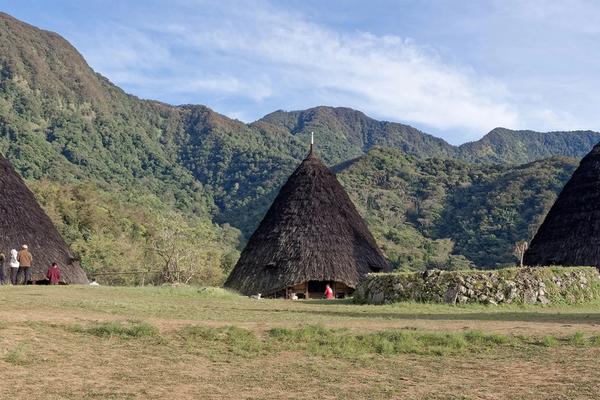
One week (6-8 days) · Komodo & Flores
7 Days in Flores: Wae Rebo and the Manggarai Highlands
A 7-day Flores loop from Labuan Bajo: the spider-web rice fields, Liang Bua cave, Ruteng and a night in Wae Rebo, with 2026 village fees and drive times.
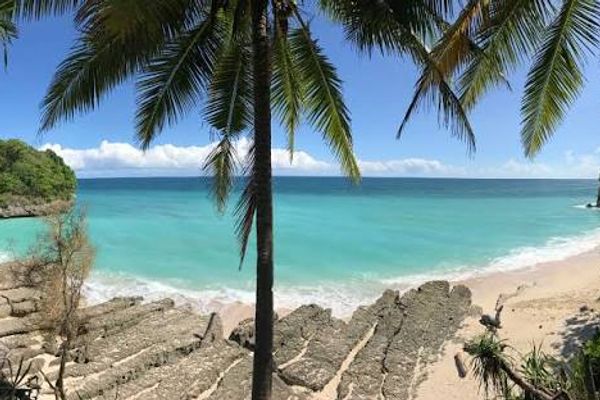
One week (6-8 days) · Komodo & Flores
8 Days in Sumba: Overland from Waingapu to the West Coast
Fly into Waingapu, out of Tambolaka, and drive the island in between. An 8-day Sumba itinerary with real driving times, site fees and village etiquette.
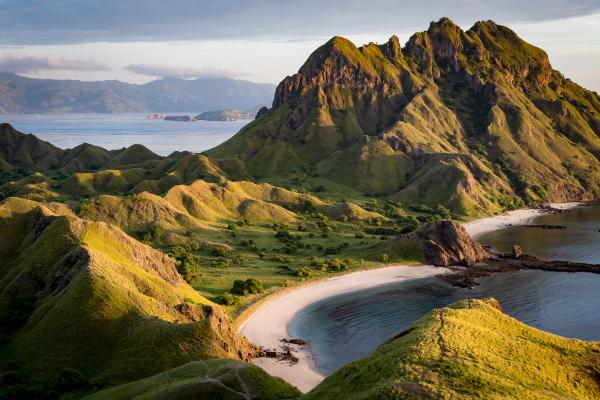
One week (6-8 days) · Komodo & Flores
7 Days in Komodo for a Honeymoon: Padar, Pink Beach and a Private Boat
A 7-day Komodo honeymoon: why to charter rather than join a shared boat, what park fees cost in 2026, and where to land softly afterwards.
Share this itinerary