By Editorial Team · Last updated September 2026
Pulau Weh is the trip most Sumatra plans skip, and that is the point. It sits at the far northwest tip of Indonesia, past Banda Aceh, in a province that runs on its own rules. Getting there costs you a flight and a ferry, and going means trading nightlife and cold beers for warm, quiet water and some of the calmest diving in the country. This is a slow week built around one base, not a highlight reel, and the single decision that makes or breaks it is protecting your flight home with a buffer day.
Who this trip is for, and who it is not
This week is for travellers who treat the journey as part of the decision. Pulau Weh sits at the far northwest tip of Sumatra, past Banda Aceh, and reaching it takes at least one domestic flight plus a ferry. In return you get warm, calm water, an easy island rhythm, and diving that stays uncrowded because most Indonesia trips never come this far. It suits certified divers, snorkellers, and couples who want a slow reef-and-beach week rather than a packed sightseeing loop. It also works well as an add-on for anyone already in North Sumatra for the orangutans who wants to end on the coast.
It is not the trip for you if you need nightlife, beach bars, or a resort scene. Aceh is a conservative province and alcohol is not openly sold, so evenings are quiet and early. It is also a poor fit if your holiday is short and you are counting travel hours, because two of your seven days are effectively transit. Families with young children can do it, but the long journey and limited medical facilities on the island make it a better choice for older kids and confident swimmers than for toddlers.
Trip at a glance
You start in Banda Aceh, give the tsunami memorial sites an afternoon, then cross to Pulau Weh the next morning and stay put. The island is small, so you base yourself in one spot, either Iboih or Gapang, and let the days repeat: a dive or a snorkel in the morning, a beach and a hammock in the afternoon, an early dinner. Near the end you build in a buffer day back on the mainland so a rough crossing or a cancelled ferry never threatens your flight home. Nothing here is rushed, and that is the point.
Base. One base on Pulau Weh for four nights, with a night in Banda Aceh at each end. Iboih is the busier, more social side with dive shops and simple guesthouses along the water. Gapang is quieter and flatter, with a calmer beach that suits swimmers and slower mornings. Pick one and do not try to split a four-night stay across both.
Where is Pulau Weh, and how do you get there?
Pulau Weh is Indonesia's northwesternmost island, off the tip of Sumatra past Banda Aceh, where the Andaman Sea meets the Indian Ocean. You reach it by flying into Sultan Iskandar Muda airport, code BTJ, then taking the ferry from Ulee Lheue harbour to Balohan on the island. There is no other way in.
Most travellers connect through Medan, Jakarta or Kuala Lumpur, and the Kuala Lumpur hop runs around 1 hour 35 minutes as a working guide. From Balohan it is a short road transfer to Iboih or Gapang. Both the flight schedule and the ferry timetable are thin, which is why this itinerary keeps a buffer day on the mainland before the flight home.
| Crossing | Working time | Price as a working estimate | Best for |
|---|---|---|---|
| Fast ferry, Ulee Lheue to Balohan | Roughly 45 minutes to an hour | In the region of Rp 100,000 per person | Almost everyone. It is the crossing this itinerary assumes |
| Slow car ferry, Ulee Lheue to Balohan | Closer to two hours | Around Rp 35,000 per person | Anyone bringing a vehicle, or unbothered by the extra hour, but it sails less often |
What is the diving like on Pulau Weh?
Pulau Weh has more than twenty dive sites within short boat rides of Iboih and Gapang, from shallow coral gardens to volcanic hot springs venting through the sand. Water sits around 28 to 29 degrees, and the resident dive centres put visibility anywhere between 10 and more than 30 metres depending on the day.
That range is what makes the island work for a mixed group. Gapang's house reef and the Rubiah Sea Garden are beginner water. Batee Tokong, Shark Plateau and the Canyon are not, and the Sophie Rickmers wreck sits deep enough that the centres treat it as a technical dive. Current, rather than depth, is the thing to ask your shop about each morning.
| Dive site | Depth | What you see | Level |
|---|---|---|---|
| Gapang house reef | 0 to 26 metres | Scorpionfish, lionfish, garden eels, morays and turtles | Beginner |
| Rubiah Sea Garden | 10 to 30 metres | Shallow coral gardens, nudibranchs, morays and anemones | Beginner |
| Hot Springs | 5 to 15 metres | Thermal vents bubbling hot water up through the sand | All levels |
| Seulako Drift | Rocky slope | Hard and soft coral, devil rays, sharks and tuna | Intermediate |
| Batee Tokong | Varied | Devil rays, sharks, barracuda, eagle rays and heavy macro life | Intermediate to advanced |
| Shark Plateau | Around 24 metres | Blacktip, whitetip and grey reef sharks, trevally and tuna | Advanced only |
| The Canyon | Deep | An underwater canyon, gorgonian fans and a natural arch | Advanced |
| Sophie Rickmers wreck | 37 to 55 metres and beyond | A Second World War wreck with giant grouper, morays and trevally | Experienced deep divers, often run as a technical dive |
Iboih, Gapang or Sumur Tiga: where should you stay?
Iboih is the busier, more social side, with dive shops and simple guesthouses strung along the water and the Rubiah snorkelling boats leaving from its beach. Gapang is quieter and flatter, with a calmer beach that suits swimmers and slow mornings. Sumur Tiga, on the east coast, has the best sand and the fewest people.
Pick one and stay in it. The island is small enough that the other two are a short scooter ride away, and moving mid-trip costs you a morning for nothing. If you are diving every day, Iboih and Gapang put you next door to the shops. If you are mostly going to be on a beach, Sumur Tiga is the one worth the extra transfer.
When is the best time to visit Pulau Weh?
Diving runs all year here, and both resident dive centres say so plainly on their own sites. The calmer, drier stretch is generally put in the first half of the year through to around August, though some guides extend it to October. Rough surface conditions, not the reef, are what turn a diving day back.
One fixed thing beats any seasonal guess. Water activities across the island pause on Friday until early afternoon for prayers, so if a Friday falls inside your diving window, plan a land day around it rather than fighting it. Otherwise confirm the sea with your dive shop the evening before rather than fixing a whole week in advance.
What does a week on Pulau Weh cost?
Diving is the main line and it is cheap by Indonesian standards, with fun dives in the region of 20 to 25 US dollars per dive including gear as a working estimate. The ferry is around Rp 100,000 fast or Rp 35,000 slow. The fixed cost, and usually the largest one, is getting to Banda Aceh at all.
Rooms in Iboih and Gapang sit at guesthouse level and Sumur Tiga runs above them. Carry cash, because card acceptance thins out quickly once you are off the mainland, and draw what you need in Banda Aceh rather than counting on the island. Prices change, so treat every figure here as a planning estimate rather than a quote.
Why this route makes sense
The logic is simple: minimise the number of times you move, and protect the flight home. Pulau Weh rewards travellers who stay in one place, because the diving, the snorkelling and the best beaches are all within a short scooter ride of each other. There is no reason to change accommodation mid-trip. The one piece of planning that genuinely matters is the return. Ferries can be cancelled in rough weather, and flights out of Banda Aceh are limited, so the itinerary deliberately puts a full buffer day between your last island morning and your outbound flight. That single decision removes most of the stress from a trip this remote.
The other reason the route works is the pairing of Banda Aceh with the island. The city is not a place most people would fly to on its own, but the 2004 tsunami memorial sites are worth the few hours the itinerary gives them, and you have to pass through anyway. Treating Banda Aceh as a considered stop rather than a chore turns dead transit time into part of the trip.
Day 1: Arrive in Banda Aceh
Morning. Fly into Sultan Iskandar Muda airport (code BTJ). Most travellers connect through Medan, Jakarta or Kuala Lumpur, and the Kuala Lumpur hop runs around 1 hour 35 minutes as a working guide. The airport sits roughly 13 kilometres from the city, so a car into town is short. Sort data before you land: an Indonesia eSIM with Airalo means maps, ferry times and guesthouse messages all work the moment you clear arrivals, which matters in a place where signage is thin.
Afternoon. Give the tsunami memorial sites a couple of unhurried hours. The PLTD Apung, a power-generator ship the 2004 wave carried more than three kilometres inland and left sitting in a residential street, is the one that stays with you. The Tsunami Museum and the Baiturrahman Grand Mosque, which survived when the streets around it did not, are both close by. These are memorial sites, not attractions, so go quietly and dress modestly.
Evening. Eat early. Acehnese food is excellent and heavily spiced, and a plate of mie Aceh, a thick noodle dish, is the local classic. There is no bar scene, so plan on an early night before the ferry.
Base. A guesthouse near Ulee Lheue port on the west side of the city saves you time in the morning.
Travel note. Aceh follows local Islamic law. Foreign visitors are treated with warmth and are generally given latitude, but dressing modestly in the city, covered shoulders and knees, is both respectful and the path of least friction.
Day 2: Cross to Pulau Weh and settle in
Morning. Head to Ulee Lheue port for the crossing to Balohan on Pulau Weh. The fast ferry takes roughly 45 minutes to an hour and costs in the region of 100,000 rupiah per person as a working estimate; the slower car ferry is cheaper, around 35,000 rupiah, but takes closer to two hours and runs less often. Departures generally start around 08:00 with the last boat in the late afternoon, but schedules shift, so check current flights and transfers into Banda Aceh and confirm the ferry times locally the day before rather than trusting a printed timetable.
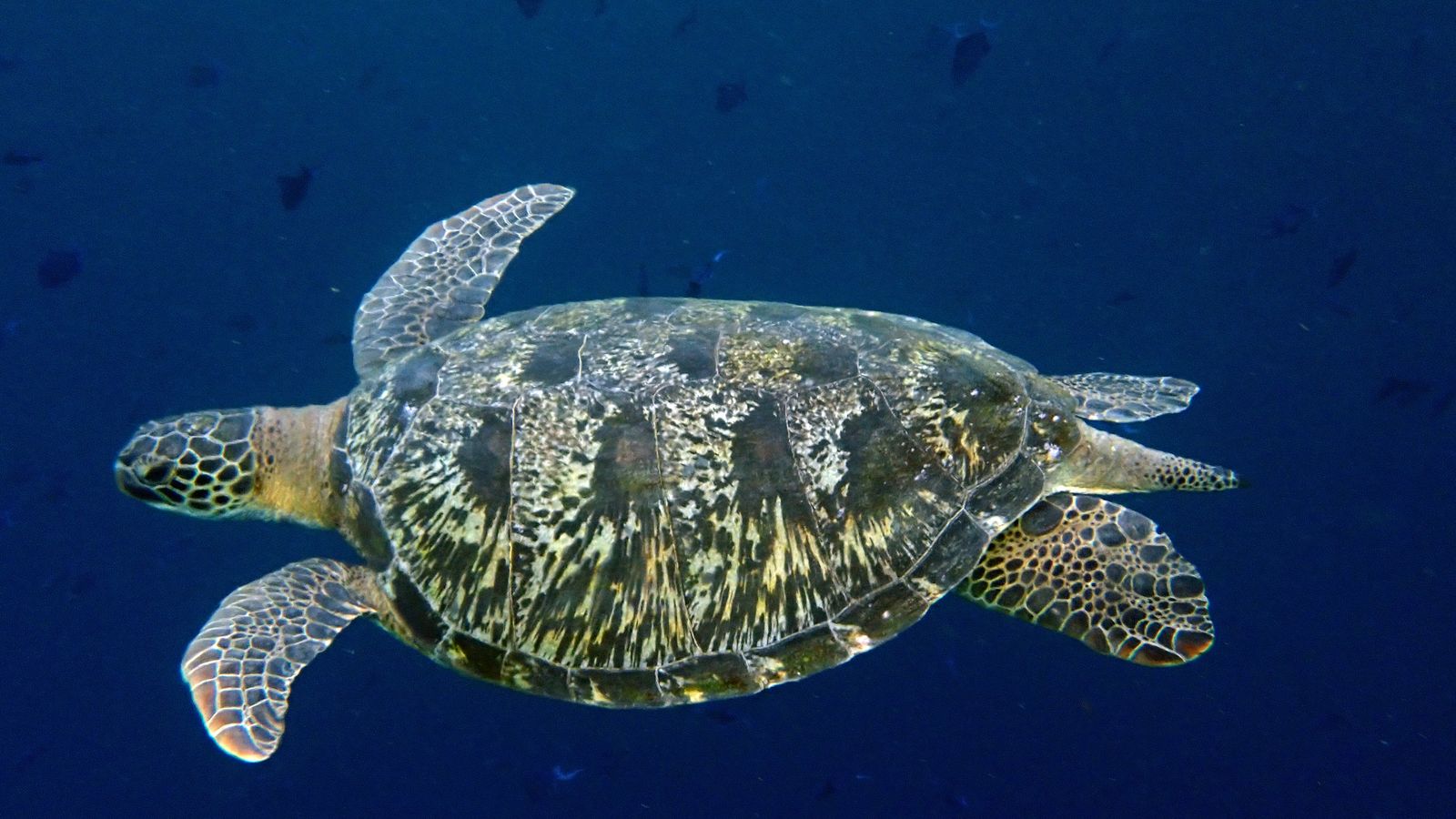
Afternoon. From Balohan it is a short transfer to Iboih or Gapang. Do not plan anything ambitious today. Settle into your guesthouse, walk the beach, and take a first easy snorkel off the house reef to get your bearings. Turtles are often seen grazing close to shore at Gapang.
Evening. Arrange your dives or snorkel trips for the next two days with a dive shop in person. Prices and conditions are easier to judge face to face, and the operators will tell you honestly what the water is doing.
Base. Iboih for social evenings and easy access to dive shops; Gapang for a quieter, flatter beach. Four nights in one of them.
Day 3: First full day underwater or on the reef
Morning. For certified divers, this is your first proper day. Fun dives run in the region of 20 to 25 US dollars per dive including gear as a working estimate, and most shops do a two-tank morning. The diving here is about gentle walls, volcanic underwater terrain, and the chance of bigger pelagic life passing through, rather than fierce currents. If you are not certified, this is the day to start a discover-scuba session or a PADI open-water course, both of which the Iboih and Gapang shops run.
Afternoon. Snorkellers should point themselves at Rubiah Island, a short local boat hop from Iboih. The marine park water there is clear, often to around 25 metres, and the coral and fish life are the reason many people come to Weh at all. A local fisherman will run you across and back for something like 150,000 to 200,000 rupiah for the boat as a working estimate; agree the price before you step in.
Evening. Back to base for an early dinner. Divers should skip any thought of a late night before a second diving day.
Travel note. Water activities across the island are usually suspended on Friday mornings until early afternoon for prayers. If a Friday falls in your dive window, plan a beach or land day around it rather than fighting it.
Day 4: Dive, snorkel, and the island's edges
Morning. A second dive morning for divers, ideally at a different site to vary the terrain. Snorkellers can go back to Rubiah, which rewards a second visit, or explore the reef off Sumur Tiga beach on the east side, a long stretch of pale sand that stays quiet.
Afternoon. Rent a scooter, if you are comfortable on one, and make the short ride to Sumur Tiga for a swim and a slow afternoon. The roads are quiet but narrow and hilly, so ride carefully and only if you have handled a scooter before.
Evening. Watch the light go from your beach. Evenings are the trip's default rhythm here: dinner, conversation, an early night.
Booking logic. You do not need to pre-book dives for the whole trip. Book day by day with your chosen shop once you have read the conditions, and keep one day flexible in case the sea turns.
Day 5: Kilometre Zero and a slow island loop
Morning. Ride or arrange a car to the Kilometre Zero Monument at the northwest tip, the officially marked western end of Indonesia. It is a modest monument, but the point is the position and the drive through the island's interior to reach it. Anoi Itam, a black-sand beach with an old wartime bunker above it, makes a natural second stop.
Afternoon. Ease back to base for a final beach afternoon and a last snorkel. If you have been diving hard, this is a good no-dive day before you travel, since a dry day before flying is sensible.
Evening. Pack loosely and settle your dive-shop bill. Confirm the next morning's ferry plan.
Day 6: Ferry back and a buffer in Banda Aceh
Morning. Take a morning ferry back to Ulee Lheue rather than leaving it late. This is the single most important logistical choice of the trip: returning to the mainland a full day before your flight means a cancelled or rough crossing costs you nothing more than an afternoon.
Afternoon. Back in Banda Aceh, use the spare time for anything you skipped on Day 1, or simply rest. If you want one more memorial site, the tsunami mass-grave memorials on the city's edge are sobering and quiet.
Evening. A last Acehnese dinner and an early night near the airport or in the city.
Travel note. Do not book a same-day ferry-and-flight combination. The buffer day exists precisely because this crossing is weather-dependent and the flight schedule out of Banda Aceh is thin.
Day 7: Fly out
Morning. Transfer to Sultan Iskandar Muda airport for your onward flight, usually via Medan, Jakarta or Kuala Lumpur. Confirm your connection times the night before, since a missed morning flight here can mean a long wait for the next one. Check current flights and transfers into Banda Aceh again before you lock the final leg, as routes and timings change season to season.
What to book early, and what to keep flexible
Book early. Your international flight and the domestic connection into Banda Aceh, especially if you are travelling in a busy period, because the route options are limited and fill up. If you plan to take a full PADI course, message a dive shop ahead so they can schedule an instructor for your dates.
Keep flexible. Almost everything else. Guesthouses on Pulau Weh are simple and rarely need booking far ahead outside peak weeks. Dives and snorkel trips are best arranged in person, day by day, so you can read the sea before committing. Do not lock a rigid dive schedule from home; the water decides the plan here more than your calendar does.
Mistakes travellers make on this trip
Underestimating the journey. People see a small island and forget it takes a flight and a ferry to reach. Treat the two travel days as real days, not throwaways.
Cutting the buffer day. The most common and costly mistake. Travellers who ferry back the same morning they fly out gamble their flight on the weather. Keep the buffer.
Expecting a resort holiday. This is a quiet, modest island in a conservative province. Arrive expecting beach bars and you will be disappointed; arrive expecting calm water and early nights and you will not.
Ignoring the Friday pause. Water activities stop on Friday mornings. Book a diving day on a Friday and you lose the morning.
Overpacking the days. The island rewards repetition, not a checklist. Trying to see every beach and dive every site in four days works against the whole reason to come.
What to cut, adapt or upgrade
Cut the Banda Aceh sightseeing if you are tight on time. The memorial sites are worth seeing, but if your flights force a very early ferry, you can treat the city purely as a transit point and give the island the extra hours instead. It is a fair trade.
Adapt for non-divers. You do not need to dive to justify this trip. Snorkelling at Rubiah and off the house reefs, plus the beaches, easily fills the days. Swap every dive reference for a snorkel or a beach and the itinerary still holds together.
Upgrade by adding North Sumatra. If you have more time, pair this week with the orangutans and jungle of the north. Flying into Medan first, doing the wildlife, then continuing to Banda Aceh and Weh makes a strong two-week loop and turns a long journey into better value.
Upgrade the stay, within reason. Accommodation on Weh is simple across the board. A handful of nicer guesthouses exist, but do not expect luxury; the upgrade here is a sea-view room and a good house reef, not a spa.
Put a lake in front of it. Weh works as the second half of a longer trip, and the natural first half is Lake Toba, cool and inland where this coast is warm and flat. The eleven-day Sumatra honeymoon route runs the two together in that order, so the easy travel falls at the end.
Before you build this trip
Visa. Most visitors enter Indonesia on visa on arrival, around 500,000 rupiah as a working estimate and extendable once, or use the e-visa online. Rules and fees change, so check the latest official guidance before you travel.
Money. Bring cash. ATMs exist in Banda Aceh and in Sabang town on the island, but they can be unreliable, and dive shops and small guesthouses often prefer cash. Draw what you need on the mainland before you cross.
Alcohol and local law. Aceh applies Islamic law province-wide. Alcohol is not openly sold, and it is simplest to travel without it. Dress modestly, particularly in Banda Aceh; the beaches on Weh are more relaxed about swimwear, but keep it respectful.
The Friday pause. Plan around the Friday-morning suspension of water activities. It is predictable, so it only trips up people who did not know.
Best time to go. Diving conditions and calmer seas are usually best across the drier stretch of the year, broadly February to around August, with rougher water and lower visibility more likely toward the end of the year as a working guide. Conditions vary year to year, so confirm locally before you fix dates around the diving.
Connectivity. Signal on the island is patchy but usable in the main beach areas. An eSIM sorted before you land saves hassle at the airport and on the ferry.
Final verdict
Pulau Weh is a deliberate choice, not a convenient one. You spend two of seven days travelling, you give up nightlife and cold beers, and you fly to the far corner of the country to do it. What you get back is warm, quiet water, diving and snorkelling that stay uncrowded, and an island that runs slow enough to actually rest you. If your idea of a good week is one base, an easy reef every morning, and early nights, this trip delivers exactly that and very little else. Go for the water and the calm, keep the buffer day, and let the island set the pace.
Related itineraries
If you want to pair this coast with Sumatra's wildlife and jungle, see the 9-day North Sumatra trip with kids and the longer 15-day Sumatra loop. For the highland side of the island, the 7-day West Sumatra route through Bukittinggi and the Harau Valley pairs culture with scenery. You can also browse everything on the Sumatra destination hub.
Before you go
Sort the practical side
Entry rules and a realistic budget before you book this trip.
Good to know
Frequently asked questions
Is Pulau Weh worth the long journey?
If you want quiet, warm-water diving and snorkelling without crowds, and you are happy with a slow, modest island, yes. If you need nightlife, resorts or a short-haul beach break, no. The travel time is real, so it suits people who value calm over convenience.
How do you get to Pulau Weh?
Fly to Banda Aceh (airport code BTJ), usually connecting through Medan, Jakarta or Kuala Lumpur, then take the ferry from Ulee Lheue port to Balohan on the island. The fast ferry takes roughly 45 minutes to an hour; the slower car ferry takes closer to two hours. Confirm current schedules locally, as they change.
Can you drink alcohol in Aceh and on Pulau Weh?
Aceh is governed by Islamic law and alcohol is not openly sold anywhere in the province, including the island. It is simplest to plan a trip without it. Evenings are quiet and early, which is part of the island's character.
Is Pulau Weh good for non-divers?
Yes. Snorkelling at Rubiah Island and off the house reefs is excellent, and the beaches are calm and quiet. You can fill the whole week without diving. Swimmers and snorkellers get as much out of the island as certified divers do.
When is the best time to dive Pulau Weh?
As a working guide, diving conditions and calmer seas are usually best across the drier part of the year, broadly February to around August, with rougher water and lower visibility more likely later in the year. Conditions vary, so confirm locally before fixing dates around the diving.
How many days do you need on Pulau Weh?
Plan on around seven days door to door, including two travel days and a buffer day on the mainland before flying out. That gives you roughly four unhurried nights on the island, which is enough to dive or snorkel properly without rushing.
Is Pulau Weh suitable for couples and solo travellers?
Yes to both. It is a calm, safe island that suits couples wanting a quiet reef-and-beach week, and it is a comfortable, low-key place for solo travellers, including solo women, provided you dress modestly in Banda Aceh and respect local norms.
Go deeper
Sumatra guides
Keep exploring
Related itineraries

One week (6-8 days) · Sumatra
7 Days in Mandeh Bay: Padang, the Islands and West Sumatra's Quiet Coast
A 7-day Mandeh Bay route from Padang: which boat loop to take, where to sleep now that Cubadak's resort has closed, and what a boat day really costs.
10 days (9-11 days) · Sumatra
9 Days on Siberut: the Mentawai Rainforest, the Rivers and a Stay in an Uma
The ferry to Siberut sails three mornings a week, so this 9-day Mentawai route is built around it: Padang, the Rereiket rivers and three nights in an uma.
10 days (9-11 days) · Sumatra
11 Days in Sumatra for a Honeymoon: Lake Toba and Pulau Weh
A quiet Sumatra honeymoon: four nights on Samosir, four on Pulau Weh, one flight and one ferry between them, with real transfer times and 2026 fares.
Share this itinerary