The short answer
Bali is a year-round destination, but the dry season from May to September gives you the most reliable weather. July and August are the busiest and most expensive months. The sweet spot for most travellers is the shoulder season: May, June, and September, when the weather is still excellent but flights, villas, and beaches are noticeably quieter.
Bali's two seasons
Bali sits just south of the equator, so it does not have spring or autumn. It has a dry season and a wet season, and the difference between them matters more than the temperature, which hovers around 27 to 32 degrees Celsius all year.
- Dry season (May to September): Lower humidity, sunny days, calm seas, and clear underwater visibility. This is high season, peaking in July and August.
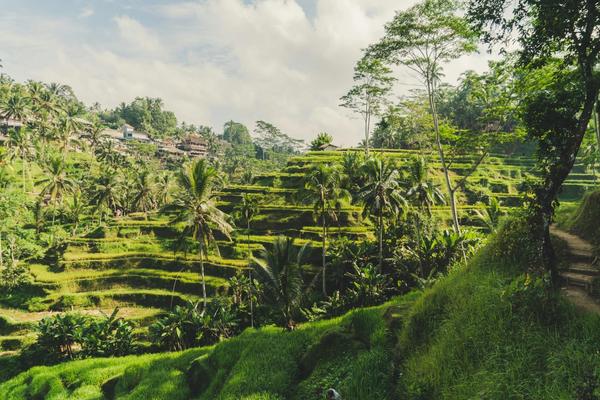
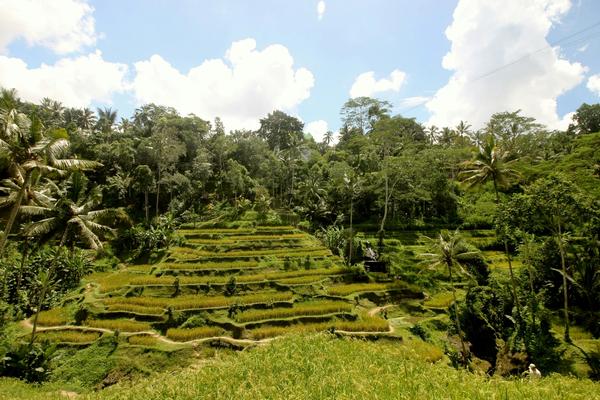
- Wet season (October to April): Warm, humid, with short heavy downpours, usually in the afternoon, rather than all-day rain. Prices drop and the rice terraces are at their greenest. January and February are the wettest months.
Month by month
- May, June: Arguably the best months. Dry, green from the recent rains, and not yet crowded.
- July, August: Peak season. Best weather, but also the highest prices and busiest beaches. Book stays and popular tours well ahead.
- September: Another strong shoulder month. Dry, warmer seas, fewer people than August.
- October, November: The wet season starts, but rain is often brief. Good value and still plenty of sunshine early in the period.
- December: Festive-season demand spikes around Christmas and New Year despite the rain, so prices climb again.
- January, February: The wettest, most humid months. Fine for spa days, culture, and quiet villas, less ideal for boat trips.
- March, April: The rains ease off. April in particular can feel like an early dry-season month with great value.
When to go for surfing and diving
For surfing, the dry season delivers the cleanest swell on the west and south coasts (Uluwatu, Canggu, Bingin), with offshore winds in the mornings. Beginners do well year-round at Kuta and Canggu beach breaks. For diving and snorkelling around Nusa Penida and Amed, visibility is best in the dry season, and manta sightings off Nusa Penida are most reliable from roughly April to October. Mola mola (oceanic sunfish) season runs around July to October but the water is colder then.
When to avoid the crowds
If quiet matters, skip mid-July to late August and the Christmas to New Year window. Also note Nyepi, the Balinese Day of Silence, usually in March: the entire island shuts down for 24 hours, including the airport, with no flights, no traffic, and lights kept low. It is a remarkable experience if you plan for it, but you cannot travel during it.
Whichever month you pick, our Bali itineraries are structured day by day so you can match the route to the season, and our where to stay in Bali guide helps you choose a base.