By Editorial Team · Last updated September 2026
An eight-day North Sulawesi route built for families: three nights snorkelling off Siladen or Bunaken, one night beside Tangkoko for the tarsiers at dusk, and three cool days in the Tomohon highlands, all from one airport and with no internal flights.
North Sulawesi is the rare corner of Indonesia where a family can see a reef wall, a primate the size of a fist and an active volcano in the same week without a single internal flight. Everything hangs off Manado airport. The catch is that the region is built for divers and birders, not children, so the plan has to do the work that a kids' club would do in Bali. This route keeps the boats short, moves base only twice, puts the one late night where it can be slept off, and spends the last three days somewhere cool.
Who is this North Sulawesi family trip for, and who should skip it?
This trip suits families with children roughly six and older who can swim with a mask, walk for an hour on uneven ground and cope with one evening out after dark. It is built for parents who want wildlife and reef the children will remember, and who are happy with small resorts and simple highland guesthouses instead of pools, clubs and buffets.
It works especially well if one parent dives. The Bunaken reef starts in about a metre of water and drops away almost at once, so children snorkelling above the edge see turtles and reef fish while the diver is below them on the wall.
Skip it with toddlers. The boats, the jungle walk at dusk and the winding highland roads all ask more of a two-year-old than they give back, and Bali or the Nusa islands will serve you better. Skip it too if your children are nervous in open water, because the island half carries the trip. For a gentler first Indonesia trip with young kids, Bali is the easier place to start.
Trip at a glance
Route: Manado (Sam Ratulangi airport) to Siladen or Bunaken, back to the mainland and east to Tangkoko, then up to Tomohon in the Minahasa highlands, and down to Manado to fly home.
Shape: Eight days, seven nights, three bases. Three nights on the island, one night beside Tangkoko, three nights in the highlands.
Pace: Relaxed. One boat trip a day at most, one late afternoon in the forest, and every highland day finishes by mid-afternoon.
Best season: The drier months from roughly May to October usually bring the calmest crossings and the clearest water at Bunaken, which matters more with children on board than it does for divers. Conditions change year to year, so read recent reports before you lock dates.
Getting in: Manado has direct flights from Jakarta and Makassar and some regional international routes, including Singapore. Most families connect through Jakarta. Routes and schedules change, so confirm current flights before you book rooms.
| Day | Base | The day | Effort for kids |
|---|---|---|---|
| 1 | Siladen or Bunaken | Land, cross by boat, swim off the beach | Easy |
| 2 | Siladen or Bunaken | Guided snorkel over the reef edge | Easy |
| 3 | Siladen or Bunaken | Beach and house reef, a short boat trip if calm | Easy |
| 4 | Batuputih, Tangkoko | Boat back, drive east, tarsiers at dusk | The one long day |
| 5 | Tomohon | Optional macaque walk, drive to the highlands | Moderate |
| 6 | Tomohon | Mount Mahawu rim and Lake Linow | Moderate |
| 7 | Tomohon | Lake Tondano or a free day | Easy |
| 8 | Departs | Down to Manado and fly home | Easy |
Why does this route work with children?
It works because Manado sits between a marine park, a lowland forest reserve and a cool highland plateau, all within about two to three hours of each other by road or boat. Children get three very different landscapes in eight days, but no day contains more than one transfer, and there are no flights between them.
The order is deliberate. The island comes first, while everyone is fresh and a boat ride still feels like a treat. Tangkoko sits in the middle because the tarsiers only appear at dusk, and sleeping beside the reserve that night means no dark drive back with tired children. The highlands come last because they are cool, forgiving and flexible, so if anyone is ill or worn out the last three days can simply slow down.
It also solves the dive problem for families with a diving parent. The last dive falls on day 3, and the flight home is five days later, far beyond the eighteen to twenty-four hours that dive agencies commonly advise between diving and flying.
Siladen or Bunaken: which island is better for kids?
Siladen is usually the better island for younger children, because it has a proper sandy beach and a gentler, shallower lagoon on its sheltered side, and only a handful of resorts. Bunaken offers more choice across budgets and slightly shorter boat rides to the famous wall sites, but much of its shoreline is mangrove and reef flat, with less beach to play on.
With children, the beach matters more than the dive sites, because the boats reach the same walls from either island. Families with teenagers who snorkel strongly can happily base on Bunaken and save money. Whichever island you choose, stay put for all three nights, and check places to stay around Bunaken and Siladen early, because the good family rooms are few.
| Siladen | Bunaken | |
|---|---|---|
| Beach | Sandy beach and shallow lagoon | Limited beach, more mangrove and reef flat |
| Choice of stays | A handful of resorts | Many more, across a wider range of budgets |
| Feel | Quiet, few other guests | Livelier, a village on the island |
| Best for | Younger children and first-time snorkellers | Teenagers, confident swimmers, tighter budgets |
Day 1: Arrive in Manado and cross to the island
Morning. Land at Sam Ratulangi. Most families reach Manado on a connection through Jakarta, so build a long layover at the hub. A short connection is the most common way to miss the resort's afternoon boat, and with children a missed boat is a much bigger problem than a lost hour.
Afternoon. Meet your resort driver, take the twenty to forty minute road transfer to a jetty on the Manado waterfront, then the boat across. Operators commonly quote around thirty to forty-five minutes to Bunaken and a little longer to Siladen. Once you arrive, do nothing but swim off the beach.
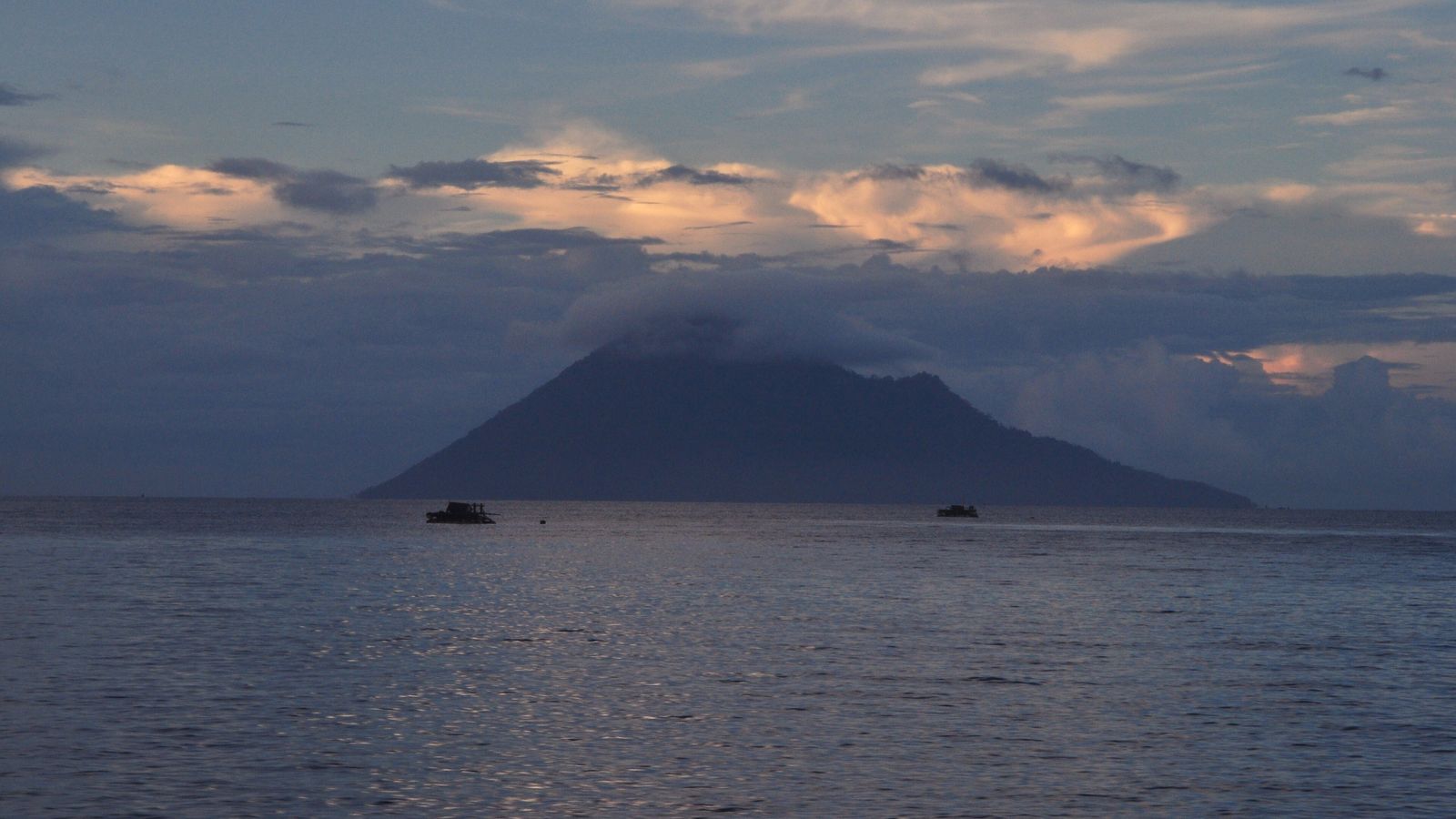
Evening. Dinner at the resort, early. The sun sets fast this close to the equator, and the volcano across the water, Manado Tua, gives the children something to look at while they eat.
Base: One resort on Siladen or Bunaken for three nights.
Booking logic: Book the room and the transfer together, and ask the resort for the time of its last boat before you choose flights. Most will not cross in the dark or in rough weather. If your flight lands late, spend the night in Manado instead. Rooms in Manado near the waterfront keep the morning crossing short.
Travel note: Buy an eSIM before you fly. Signal on the islands is patchy and resort wifi is often slow, and an Indonesia eSIM from Airalo means you are connected when the driver is trying to find you at arrivals.
Day 2: The first snorkel over the reef edge
Morning. Take the resort's guided snorkel trip, or a family boat to the reef edge. Bunaken's reef top sits close to the surface before it drops away, so children can float in shallow water and look straight down the wall. Ask for life jackets or snorkel vests in children's sizes before you leave, and keep the first session short.
Afternoon. Beach, house reef and shade. The midday sun at sea level is strong, so this is the part of the day for a long lunch and a rest.
Evening. Early night. Boat days start early and children tire quickly in the heat.
Booking logic: A diving parent should buy a multi-day package from the resort, which is cheaper than paying per dive. Children aged eight and over can usually try a supervised first dive in a pool or very shallow water, and older children can start a junior certification, but age rules and availability depend on the operator, so ask the resort directly.
Travel note: The marine park charges an entry fee, and published figures disagree. Resort pages quote anything from around 50,000 to 150,000 rupiah per foreign visitor, sometimes as a ticket valid for several days. Treat it as a working estimate, ask your resort whether it is included, and check the latest official guidance.
Day 3: A slow island day
Morning. If the sea is calm, take one more short boat trip to a different stretch of the reef, or spend the morning on the house reef from the beach. Turtles are common in the park, and a child who spots one first will talk about it for the rest of the trip.
Afternoon. Nothing scheduled. Let the children dig, swim and read. The next day is the long one, so this is the day to bank rest.
Evening. Pack tonight. The morning boat leaves early, and packing wet gear in a hurry with children is its own small ordeal.
Travel note: If wind stops the boats, the house reef usually still works, and the boats normally run again the following morning. Do not treat a windy day as a lost one. If you would rather see the park on a day trip than spend three nights there, a private Bunaken snorkelling day from Manado visits three sites with lunch and a hotel pickup, and brings you back to the mainland the same evening.
Day 4: Back to the mainland, and tarsiers at dusk
Morning. Take the first boat back to Manado and meet a driver for the road east toward Bitung. Tangkoko is roughly 50 kilometres from Manado, about an hour and a half to two hours by road as a working estimate, depending on traffic.
Afternoon. Check in at a guesthouse at Batuputih, the village at the reserve gate, and rest. The walk starts in the late afternoon, because the tarsiers wake at dusk. With a ranger, you walk into the forest to find the black crested macaques, then wait by a fig tree for the spectral tarsiers to come out.
Evening. Back to the guesthouse in the dark, with a torch, a short walk away. Dinner is simple and early, and the children go straight to bed.
Base: Batuputih, beside the reserve, for one night. Guesthouses here are basic and few, and some are only bookable by message, so check rooms around Bitung and Tangkoko early, and message the owners directly if nothing shows.
Booking logic: Published guides put the foreigner entry fee at around 100,000 rupiah per person on weekdays and 150,000 rupiah at weekends and on public holidays, with a compulsory guide commonly charging 100,000 to 200,000 rupiah per person on top. Fees change, so confirm on the day. If you would rather not assemble the driver, permit and guide yourself, a private Tangkoko day from Manado bundles them with pickup and lunch, though it brings you back to Manado late at night.
Travel note: Tarsiers are nocturnal and very sensitive to light. Brief the children beforehand: no flash, no torch on the animals, quiet voices. A good guide handles the light and will stop anyone who gets it wrong. Long trousers and closed shoes help against ants and mosquitoes on the trail.
Day 5: Macaques in the morning, then up to the highlands
Morning. Optional. If the children still have energy, a short early walk with a ranger often finds the macaque troops moving and feeding, which is livelier than the dusk walk. If they are tired, skip it and have a slow breakfast.
Afternoon. Drive to Tomohon in the Minahasa highlands, roughly two to two and a half hours by road as a working estimate, inland past Airmadidi and up. The temperature drops as you climb to around 700 to 1,000 metres, and by the time you arrive the children will want a jumper.
Evening. Minahasan food, which is heavily spiced. Ask for dishes without chilli for the children. Most kitchens are used to the request, and rice, grilled fish and fried chicken are easy to find.
Base: Tomohon and the surrounding highlands for three nights. Look for somewhere to stay in Tomohon with a family room and warm blankets, because highland nights are genuinely cold.
Booking logic: Keep the same driver for the highland days if you can. A car and driver for three days costs less than a series of tours, and lets you stop the moment someone needs to.
Day 6: Mount Mahawu and Lake Linow
Morning. Go up Mount Mahawu early, before cloud closes over the crater, which usually happens by mid-morning. A road runs close to the rim and concrete steps take you the rest of the way, so this is a walk that school-age children can manage. Allow about an hour up and back at a child's pace, and keep younger children close near the rim.
Afternoon. Lake Linow, the sulphur lake between Mahawu and Lokon that changes colour through the day as the light and the vents shift. There are cafes on the shore, which makes it an easy place to sit while the children watch the water turn from green to blue.
Evening. Back early. Highland roads are slow after dark and there is no reason to be on them.
Travel note: Lokon, the volcano beside Tomohon, is active, and access to it changes with its alert status. It is not a family climb anyway. Keep to Mahawu, and treat any volcano plan as conditional on current official guidance.
Day 7: Lake Tondano, or a day with nothing in it
Morning. Lake Tondano, the large lake on the plateau, is a short drive from Tomohon, roughly thirty to forty-five minutes as a working estimate. Fish farms, lakeside restaurants and quiet villages make it a gentle half day.
Afternoon. Free. After a week of boats, forest and roads, an empty afternoon in a cool guesthouse garden is the right way to finish.
Evening. A last Minahasan dinner, and early packing for the drive down.
Booking logic: Decide this day on the morning itself. If the children are tired, drop the lake. Nothing here needs booking ahead.
Day 8: Down to Manado and fly home
Morning. A slow breakfast, then the drive down to Manado. The road from Tomohon takes about an hour to an hour and a half, and longer in rain, so leave more margin than the map suggests.
Afternoon. Fly out of Sam Ratulangi. If the diving parent's last dive was on day 3, the no-fly window was covered long ago.
Travel note: If your flight leaves very early, sleep the last night in Manado instead of the highlands, and cut the airport run to twenty minutes.
What should families book early, and what can wait?
Book the island resort, the Tangkoko guesthouse and your flights into Manado first. Those three are small in supply or fixed in time, and all three decide the rest of the week. The highlands, the driver's exact days and the Lake Tondano morning can all wait until you arrive, because nothing there sells out.
Book early: the island resort and its transfer. Siladen in particular has few rooms, and the family rooms go first in the dry season. Ask for child-sized snorkel gear and vests at the same time.
Book early: the night at Batuputih. It is the one night the route cannot move, because the tarsiers only come out at dusk.
Book early: flights. Pick arrival times that land in Manado by early afternoon, so the first boat is not a race.
Keep flexible: the Day 5 macaque walk, the Lake Tondano morning and how many boat trips you take. Those depend on the weather, the sea and how the children are holding up.
Mistakes families make in North Sulawesi
The most common mistake is doing Tangkoko as a day trip from the island or the highlands. The tarsiers appear at dusk, so a day trip means a two hour drive or more back in the dark with exhausted children. Sleeping at Batuputih turns the hardest evening of the trip into an easy one.
Treating Lembeh as part of the snorkelling plan. Lembeh is black-sand muck diving for macro photographers. It is superb for divers and unrewarding for children at the surface. If both parents dive seriously, the ten-day Bunaken and Lembeh dive route is the right trip.
Taking the children to the Tomohon market. It is still promoted as a highlight, but it sells bats, rats and snakes as meat, and many adults leave upset. Most children will too.
Arriving without cash. Manado has ATMs, the islands mostly do not, and highland guesthouses often prefer cash. Draw enough before you get on the boat.
Packing only for the heat. The highlands are cold at night. Bring a warm layer for everyone.
What to cut, adapt or upgrade
Cut it to six days by dropping Lake Tondano and one highland night. Keep all three island nights and the night at Tangkoko, which are the parts that do not survive being shortened.
Adapt it for teenagers by basing on Bunaken, adding a second boat trip each day, and booking a junior dive course if they are old enough. Teenagers who dive can also handle a longer walk at Tangkoko.
Upgrade it by adding Tana Toraja in the south, which means a flight through Makassar and long drives. That is a different trip, better suited to older children, and the ten-day Toraja to Bunaken route sets it out day by day.
Before you build this trip
North Sulawesi is quieter and less set up for families than Bali, and that shapes every choice. There are no kids' clubs, few pools and little choice of food on the island, but the pace is slow, the people are warm and the wildlife is right there. Plan around the three fixed points: the boat times, the dusk at Tangkoko, and the weather in the highlands.
Health. Manado has the region's main hospitals, and the islands and Tangkoko are an hour or more from them. Get travel insurance that covers evacuation, bring a basic kit for cuts, stings and stomach upsets, and ask a travel clinic about vaccinations and mosquito advice for children before you go.
Money. North Sulawesi is cheaper than Bali for food and transport, and comparable for a good island resort. The costs families forget are the marine park fee, the Tangkoko guide charged per person, and the driver.
Getting there. Most families connect through Jakarta. You can compare flights from Jakarta to Manado to see current options before you book rooms.
Final verdict: is North Sulawesi worth it with kids?
Yes, for families whose children swim confidently and are old enough to stay quiet for twenty minutes in a dark forest. For them, this is one of the best wildlife weeks in Indonesia: a reef they can see from the surface, a primate most of their friends have never heard of, and a volcano rim they can walk to. It asks for three bases in eight days, which is the right number.
For families with toddlers or non-swimmers, it is the wrong trip. The island half carries the week, and the land half alone does not justify the flights. Bali, the Nusa islands or Lombok will give younger children more for less effort.
Related itineraries
If you are travelling as a couple instead, the 8-day North Sulawesi honeymoon uses the same island and highland bases at a slower pace.
For another wildlife trip that works with children, the 5-day Borneo orangutan route spends its nights on a riverboat in Tanjung Puting, and the 8-day Komodo and Flores family route builds a week around the dragons.
If reef is the priority, the 9-day Raja Ampat family itinerary goes further east for richer reefs, at more travel and higher cost.
Before you go
Sort the practical side
Entry rules and a realistic budget before you book this trip.
Good to know
Frequently asked questions
Is North Sulawesi good for a family holiday?
Yes, for families with children around six and older who swim confidently. Bunaken's reef starts in about a metre of water, Tangkoko has tarsiers and macaques that children can watch at close range with a ranger, and the Tomohon highlands are cool and gentle. It is less suited to toddlers, because boats, a dusk forest walk and winding roads are hard work at that age.
Which is better for kids, Siladen or Bunaken?
Siladen is usually better for younger children, because it has a sandy beach, a shallow sheltered lagoon and only a few quiet resorts. Bunaken has more places to stay across more budgets and slightly shorter rides to the wall sites, but less beach. Boats reach the same reef from either island, so let beach and budget decide.
Can children see tarsiers at Tangkoko?
Yes. A ranger-led walk in the late afternoon usually finds the spectral tarsiers as they wake at dusk, often near a known fig tree, along with black crested macaques earlier in the walk. Children must stay quiet and never shine a torch or flash at the animals. Sleeping at Batuputih by the reserve gate avoids a long drive back in the dark.
How much does Tangkoko cost for a family?
Published guides put foreigner entry at around 100,000 rupiah per person on weekdays and 150,000 rupiah at weekends and on holidays, with a compulsory guide commonly charging 100,000 to 200,000 rupiah per person on top. For a family of four that adds up quickly, so treat these as working estimates and confirm the current fees on the day.
Can kids snorkel at Bunaken?
Yes. Bunaken's reef top sits close to the surface before it drops down the wall, so children can float in shallow water and still look over the edge. Ask the resort for child-sized masks and snorkel vests, keep sessions short, and go out on calm mornings. Children who cannot swim confidently in open water will find it harder.
How many days do you need in North Sulawesi with kids?
Eight days is a comfortable length. It allows three nights on Siladen or Bunaken, one night beside Tangkoko for the tarsiers, and three nights in the Tomohon highlands, with only one transfer on any single day. Six days works if you drop Lake Tondano and a highland night, but keep all three island nights.
Is it safe to take kids up a volcano in North Sulawesi?
Mount Mahawu near Tomohon is a walk that school-age children can manage, with a road close to the rim and concrete steps for the rest. Keep younger children close at the rim. Lokon, the neighbouring volcano, is active and not a family climb. Access to any volcano changes with its alert status, so check current official guidance before you go.
Keep exploring
Related itineraries
One week (6-8 days) · Wild Indonesia
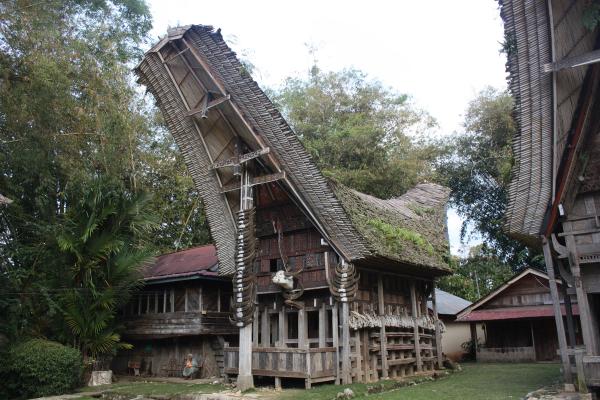
7 Days in South Sulawesi: Makassar, Rammang-Rammang and Toraja
Seven days from Makassar to Tana Toraja: the Rammang-Rammang karst by canoe, the cliff graves of Rantepao, and the night bus that makes a week fit.
One week (6-8 days) · Wild Indonesia
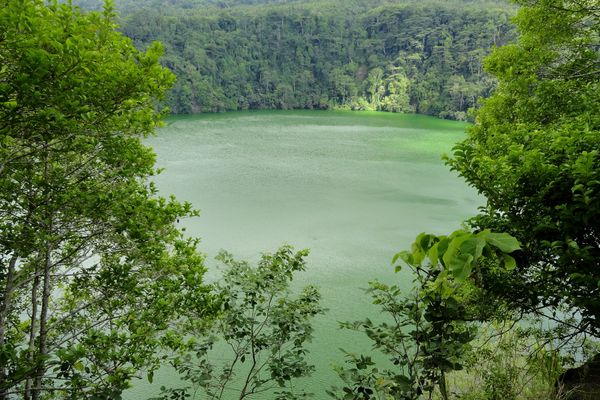
7 Days in Ternate and Tidore: North Maluku's Volcano Sultanates
Seven days across Ternate and Tidore: why Gamalama is closed, how to climb Kie Matubu instead, the Rp 20,000 crossing, and which island to sleep on.
10 days (9-11 days) · Wild Indonesia
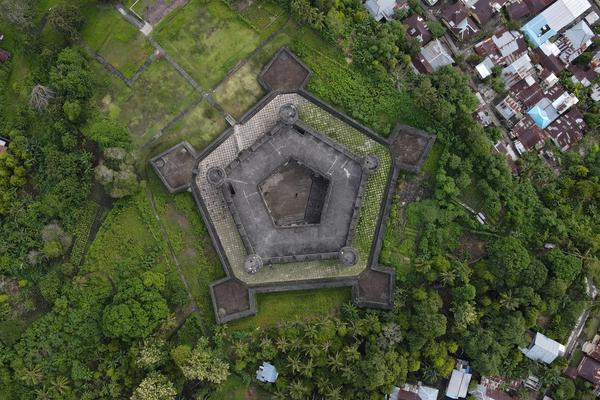
9 Days in the Banda Islands: Neira, Gunung Api, Hatta and Ai
How to plan 9 days in the Banda Islands: the three ways from Ambon, why two buffer days are not optional, and what Neira, Hatta and Ai are each for.
Share this itinerary